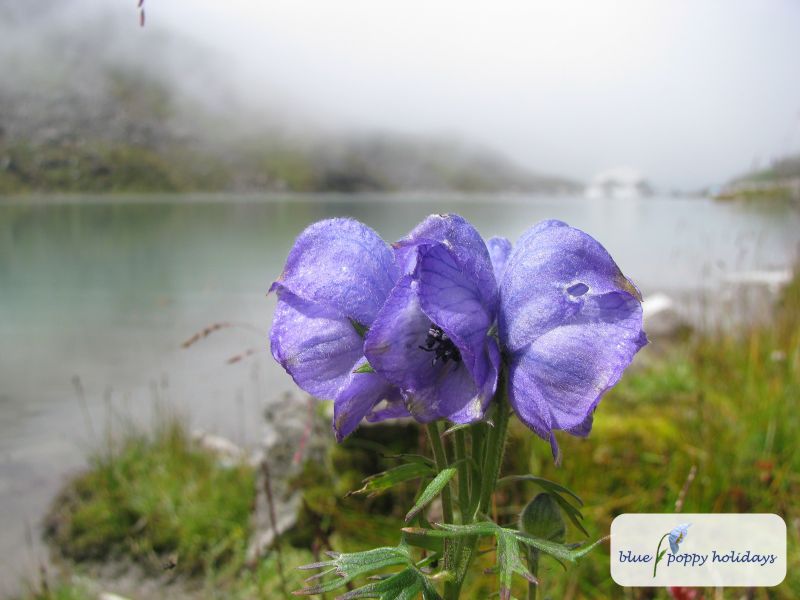
Wildflower of the valley
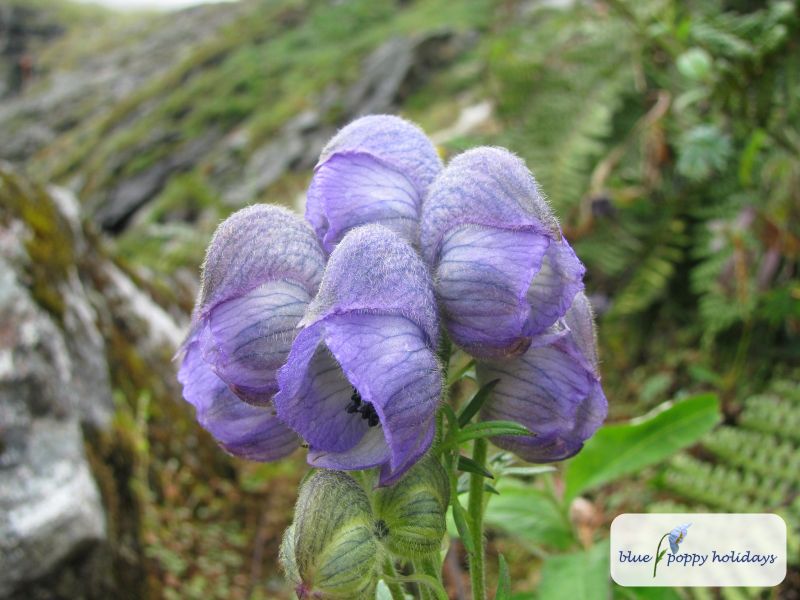
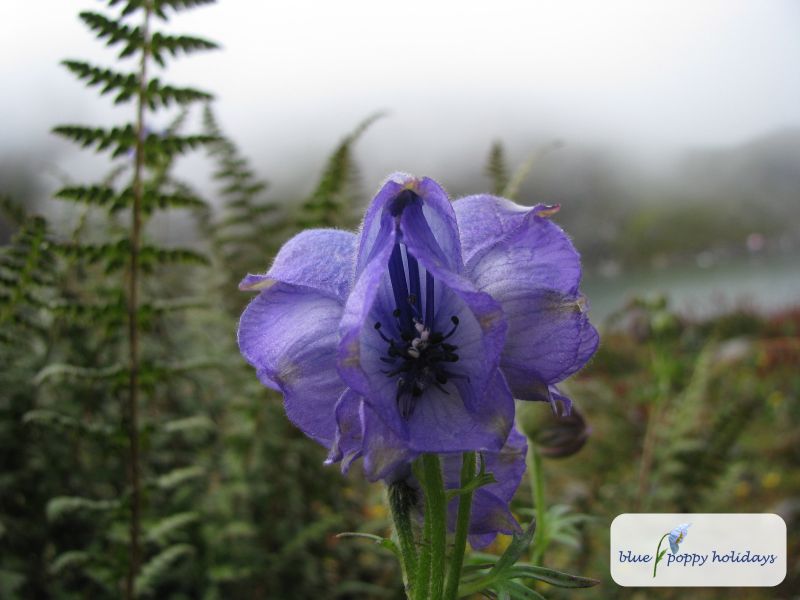
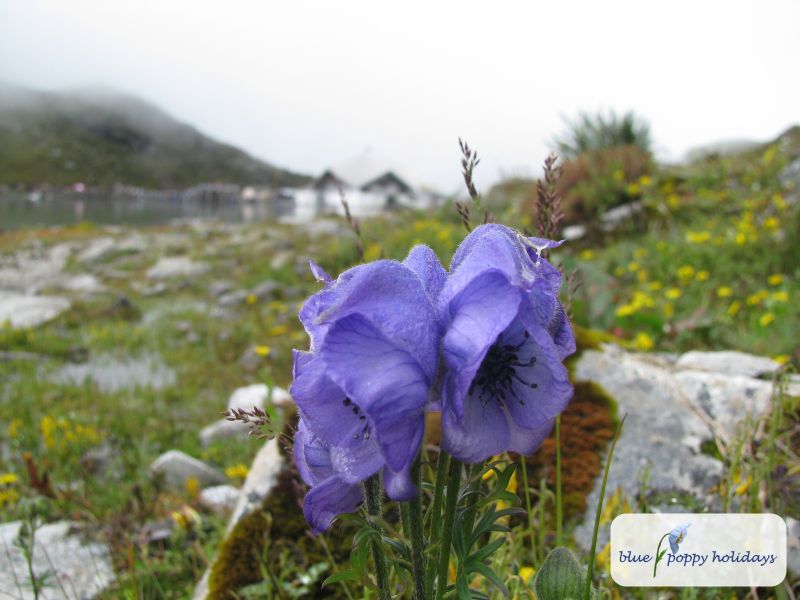
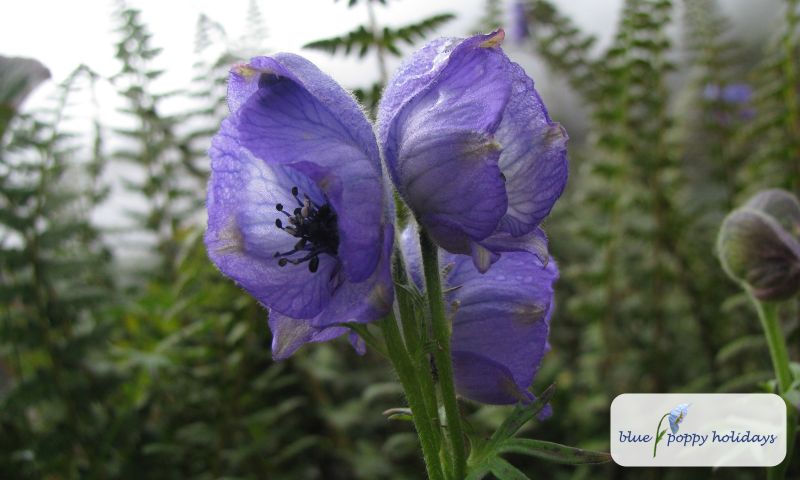
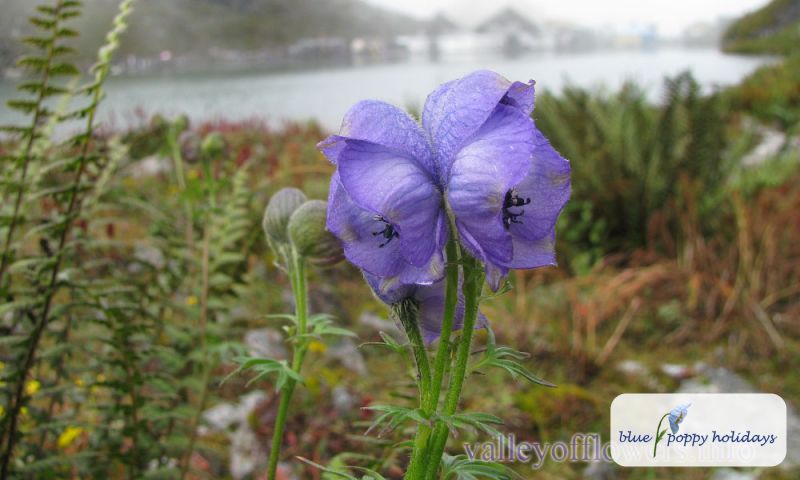
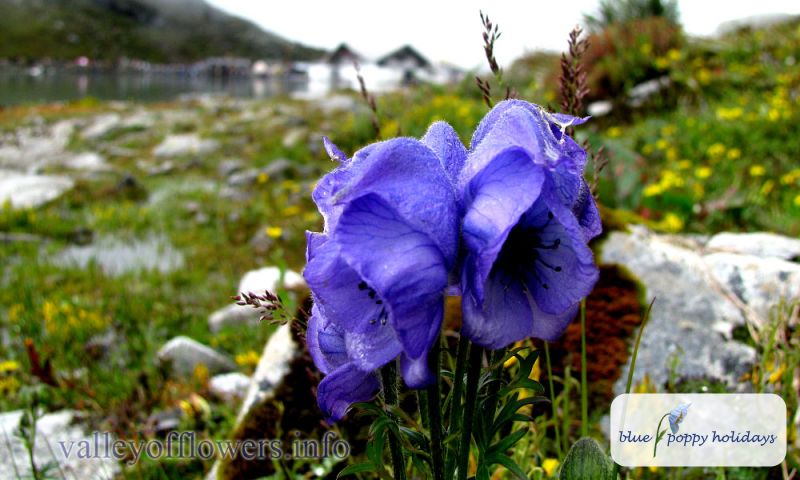
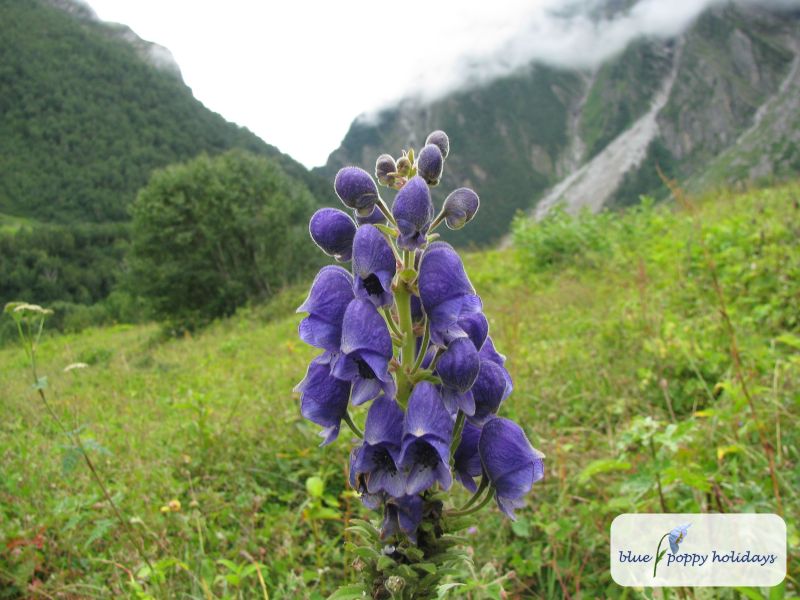
Violet Monkshood, Aconitum weileri
Aconitum violaceum
- How easy to find
- Very rare — you need to search for it — local knowledge helps
- Flower size
- Large
- Family
- Ranunculaceae (Buttercup family)
- Local name
- Mitha telia, Dudhia-bis, Telia kachnag, Tilla
- Type
- Herb
- Height
- 20–60 cm
- Altitude
- 3300–4500 m
- Flower colour
- Blue or violet
- Flowering
- July to September
About Violet Monkshood, Aconitum weileri
The generic name Aconitum means arrow. Ancient Greek hunters used to smear the juice of roots on arrows for hunting practices. Violaceum the species name means one which is blue in color. Aconitum violaceum is a 20 - 60 cm tall herb with paired tubers. Few leaves are on ground and few are on the top of the stem. Flowers are blue or violet in color variegated with white. Stamens are many and filaments are hairy in the upper part. It is found in the nearby areas of Hemkund Sahib. People drinking water from streams flowing near to this plant can feel the effect of the poison of this plant. They feel drowsiness and in general drinking this water is not fatal.
Where to find it
- Near the entrance of the valley
Habitat
Mountains slopes and Meadows
Uses & folklore
Whole Plant is used in Tibet for its antidote and anti-inflammatory properties. Locally it is used a narcotic and for the treatment of scorpion bites and fever.
What the name means
Aconitum from Greek akoniton (poison); violaceum means "violet-coloured", from the Latin viola.
Don't confuse it with
Aconitum balfourii (sno 2) is the other blue monkshood in the valley — taller, deeper blue, with a helmet-shaped upper sepal.