Wildflower of the valley
Himalayan Fritillary
Fritillaria roylei
- How easy to find
- Rare — you will see it only in some places
- Flower size
- Medium
- Family
- Liliaceae (Lily family)
- Local name
- Hindi - Kakoli, Tamil- Kakoli, Malayalam - Kakoli, Telugu - Kakoli, Kannada - Kakoli, Sanskrit - Kakoli, Ksirakakol, Ksirasukla, Payasya
- Type
- Herb
- Height
- medium
- Altitude
- 3500–4500 m
- Flower colour
- green
- Flowering
- June to July
- Status
- Critically Endangered
About Himalayan Fritillary
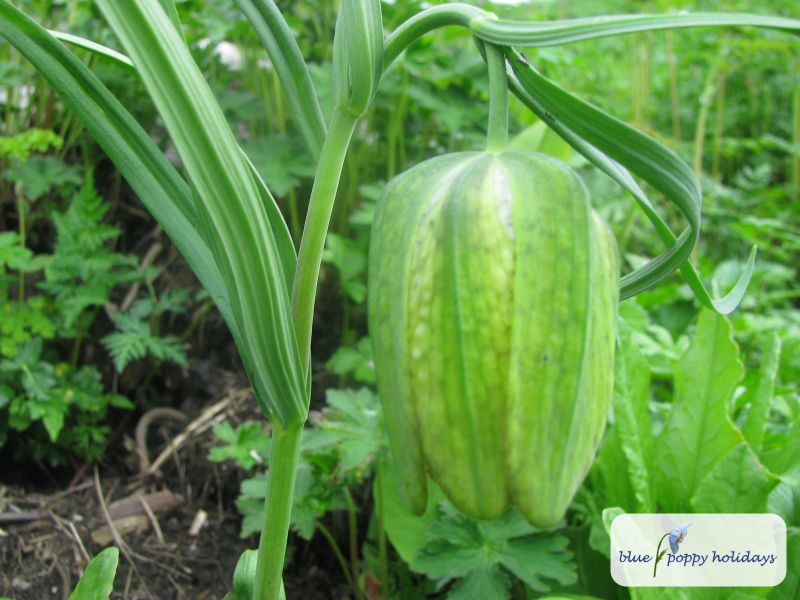
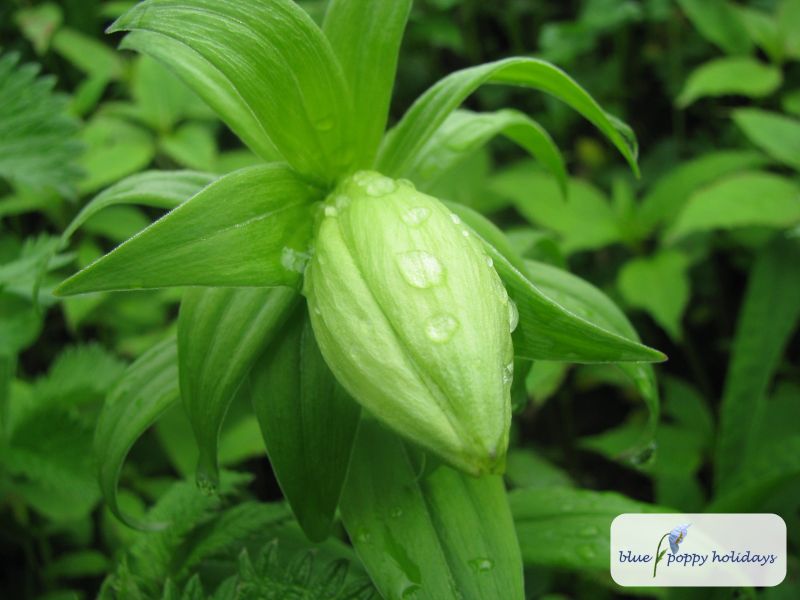
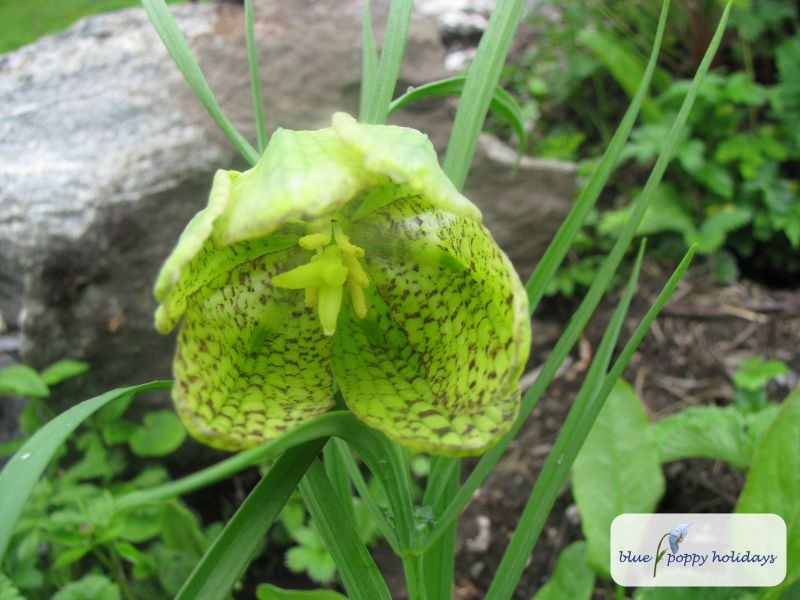
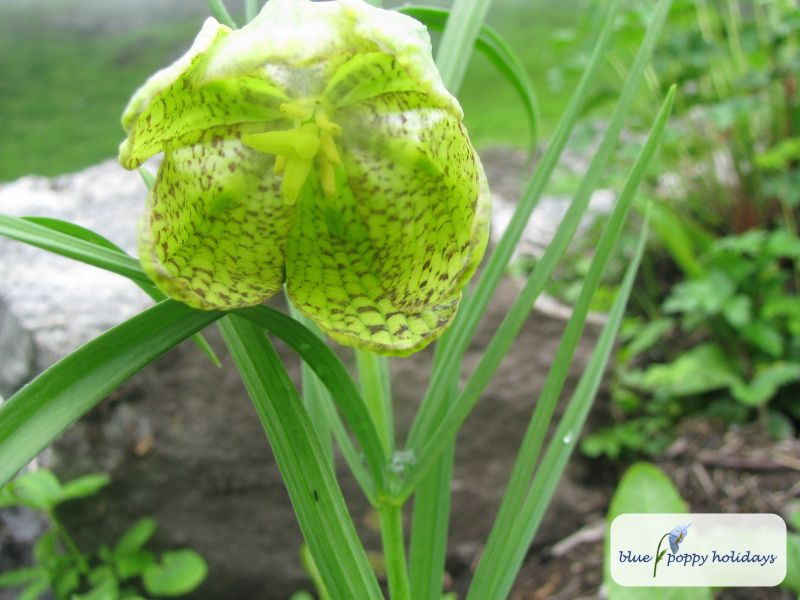
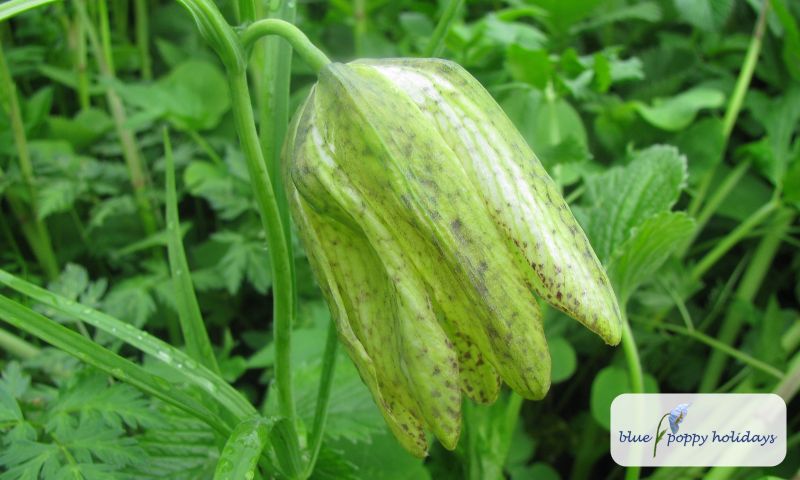
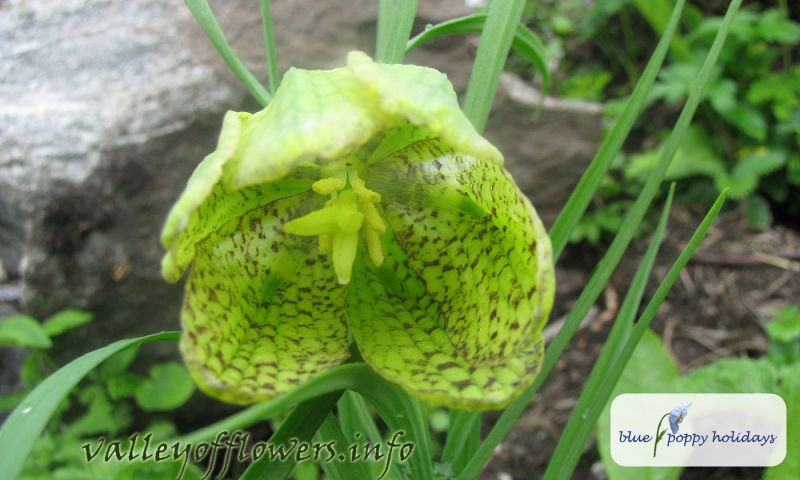
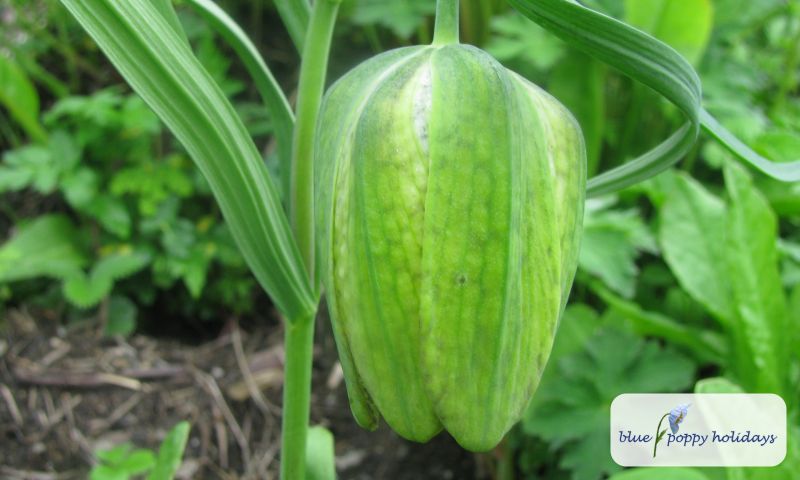
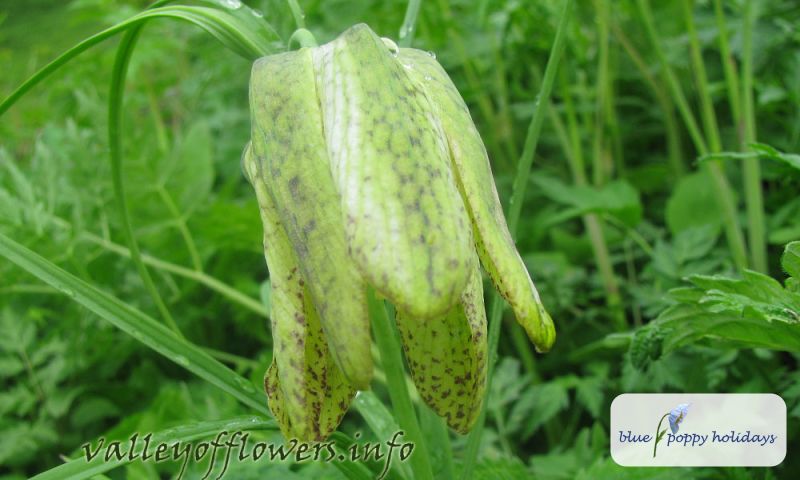
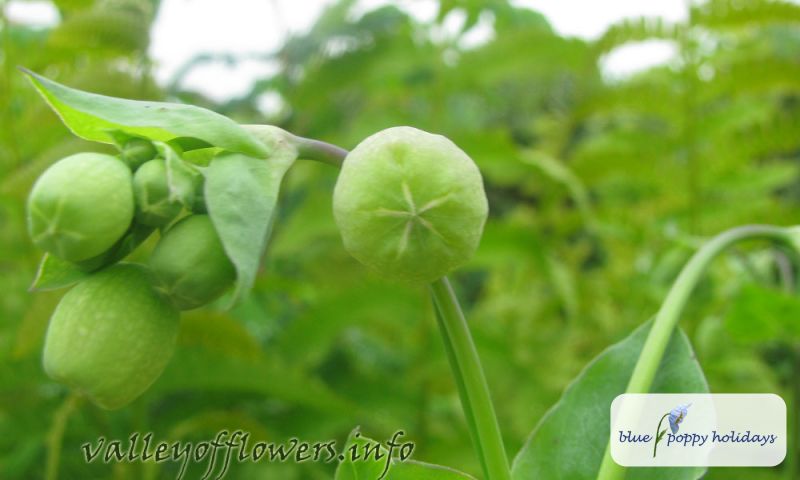
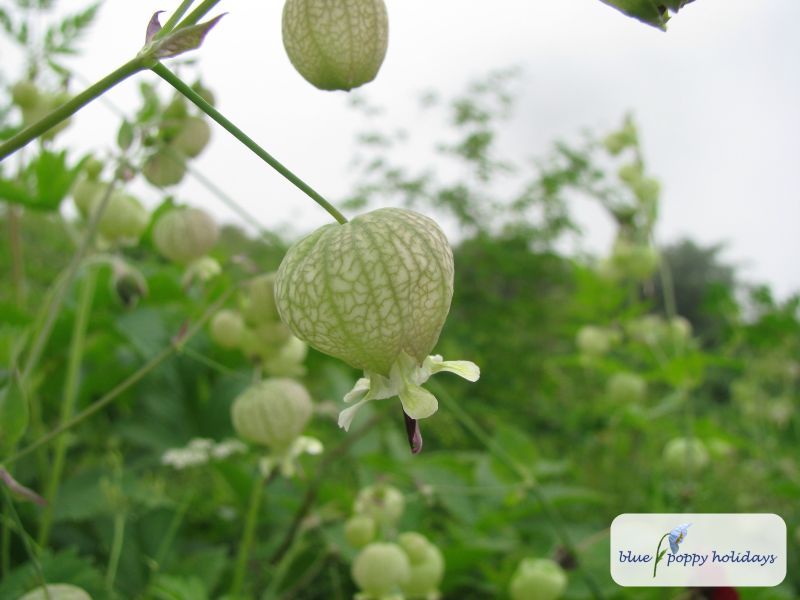
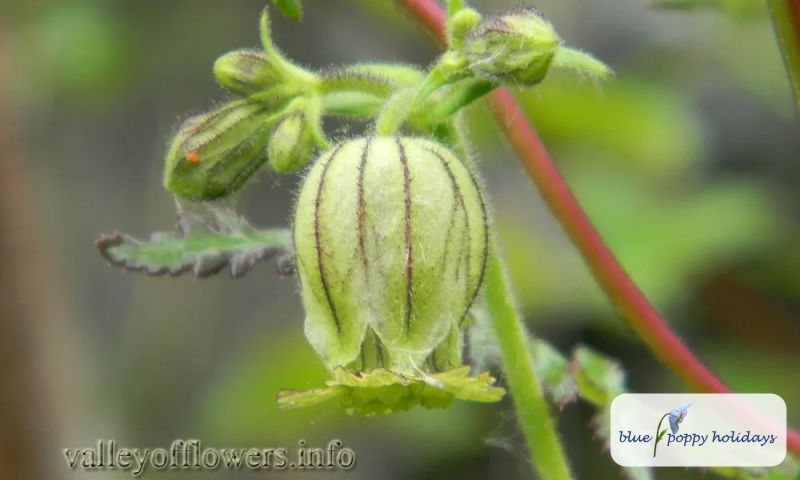
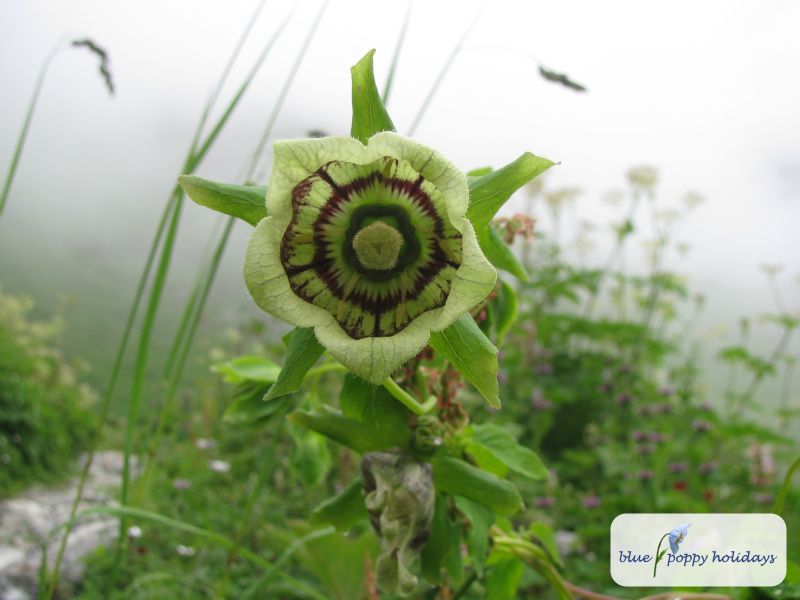
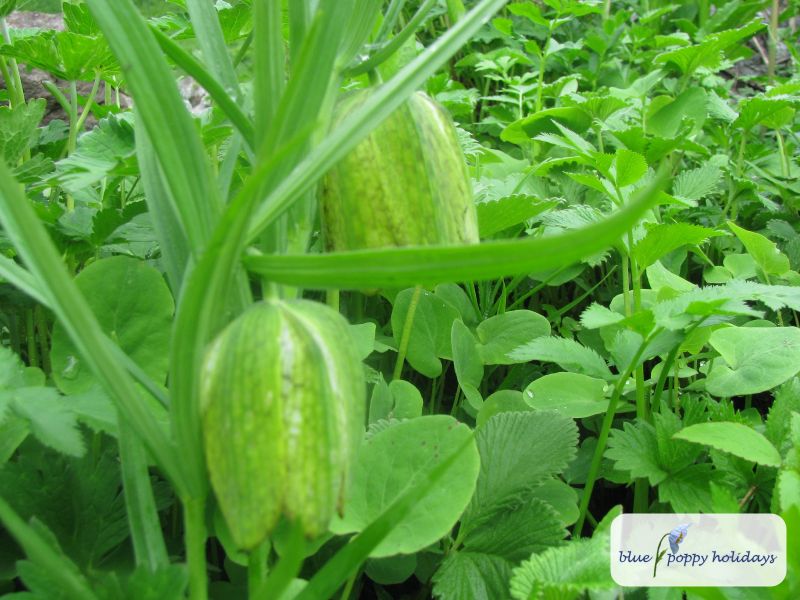
Fritillaria roylei is bulbous herb with opposite and whorled leaves (3-6 per whorl). Flowers are greenish yellow with a hue of pale purple. Flowers are bell shaped, solitary and drooping. The species roylei has been named in honour of John Forbes Royle, a british botanist.
Where to find it
- In the middle of the valley
- In the deeper parts of the valley
Habitat
Alpine slopes and meadows.
Uses & folklore
In Ayurvedic medicine the tubers are used for longevity and treating asthma, fever, tuberculosis, burning sensation. The tubers of plant is accredited with anti rheumatic, hemostatic, galactogogue, opthalmic properties. In China bulbs are used in treating asthma, rheumatism and eye disease.
What the name means
Fritillaria comes from Latin fritillus (dice-box), after the chequered pattern on the petals; roylei honours J. F. Royle.