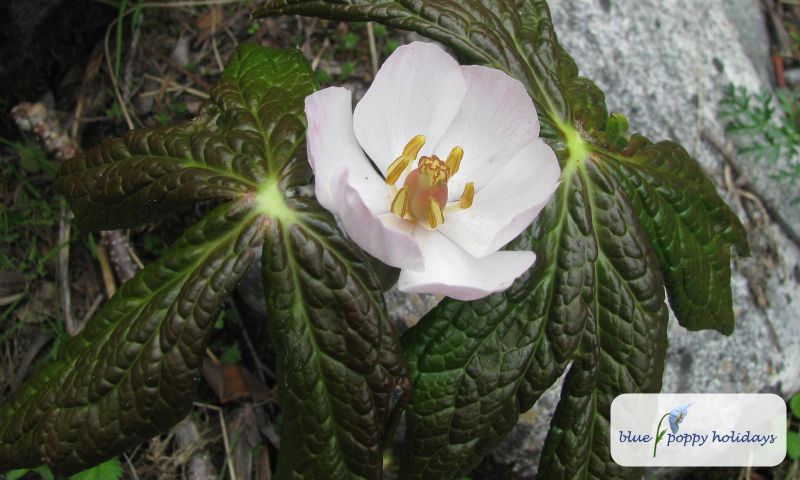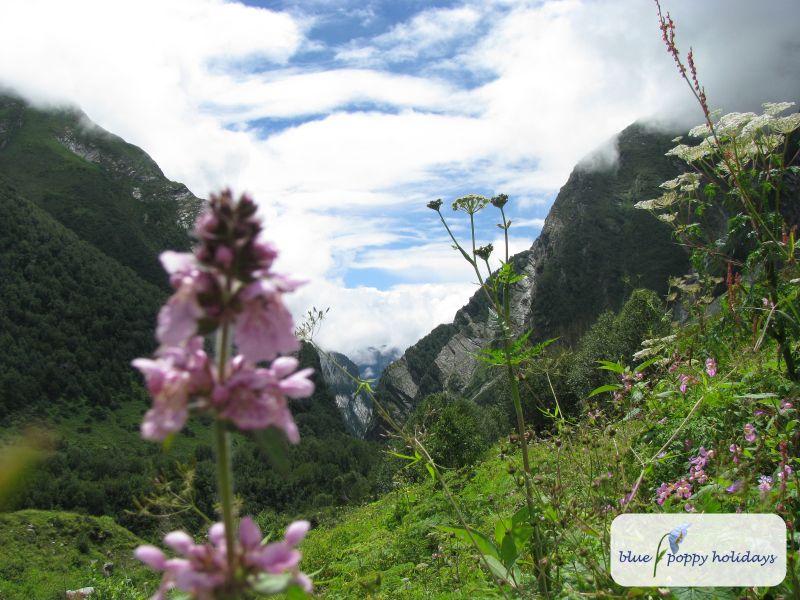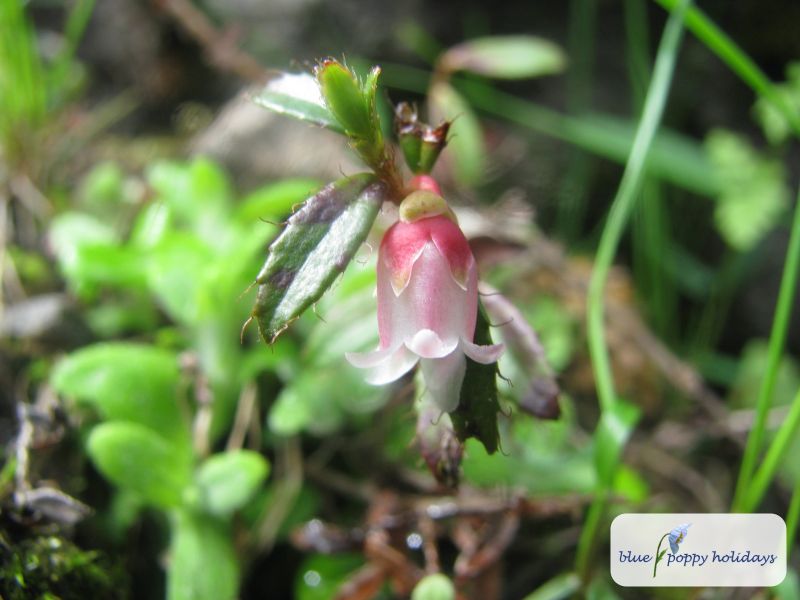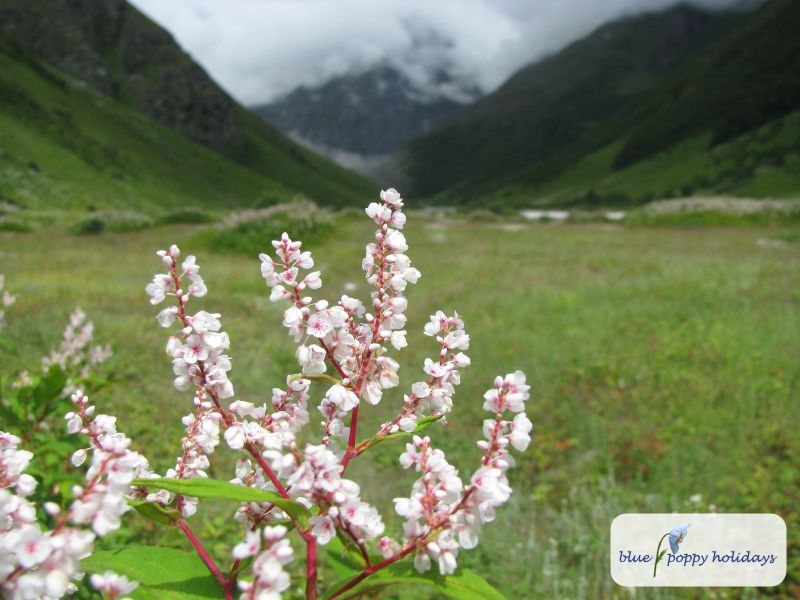
Wildflower of the valley
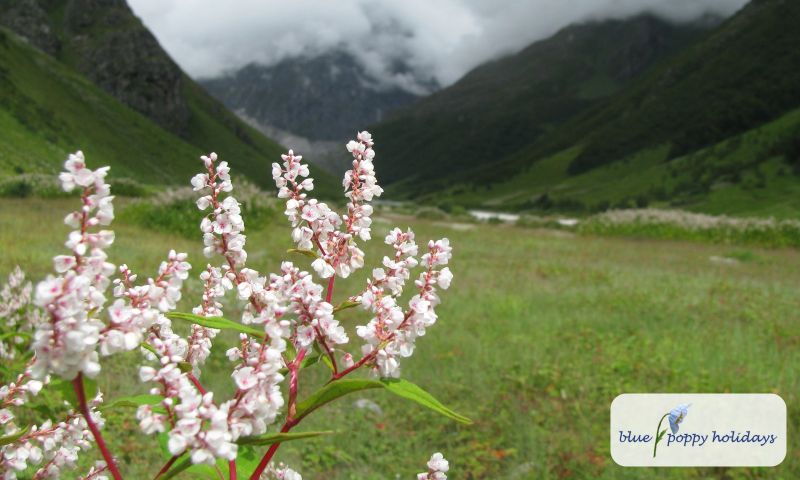
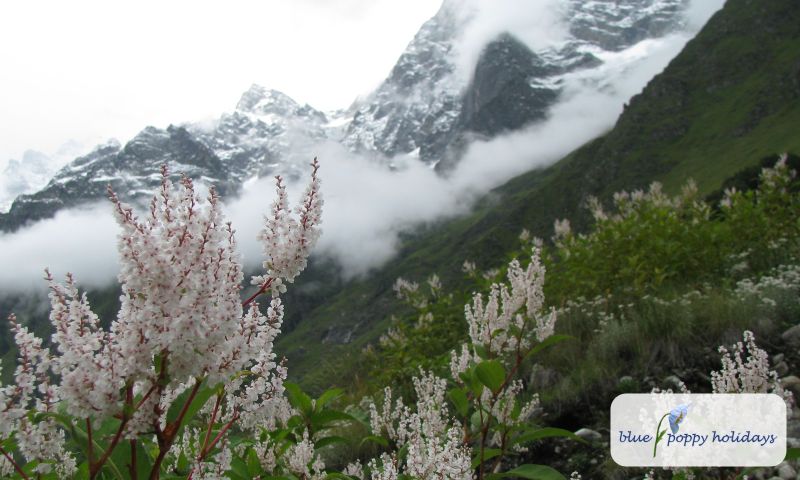
Himalayan Knotweed
Polygonum polystachyum
- How easy to find
- Easy to see — you will see it easily on the trail
- Flower size
- Small
- Family
- Polygonaceae (Knotweed family)
- Local name
- Ama-Haldu, Durfi
- Type
- Perennial
- Height
- 1–2 m
- Flower colour
- red,white
- Flowering
- July to September
About Himalayan Knotweed
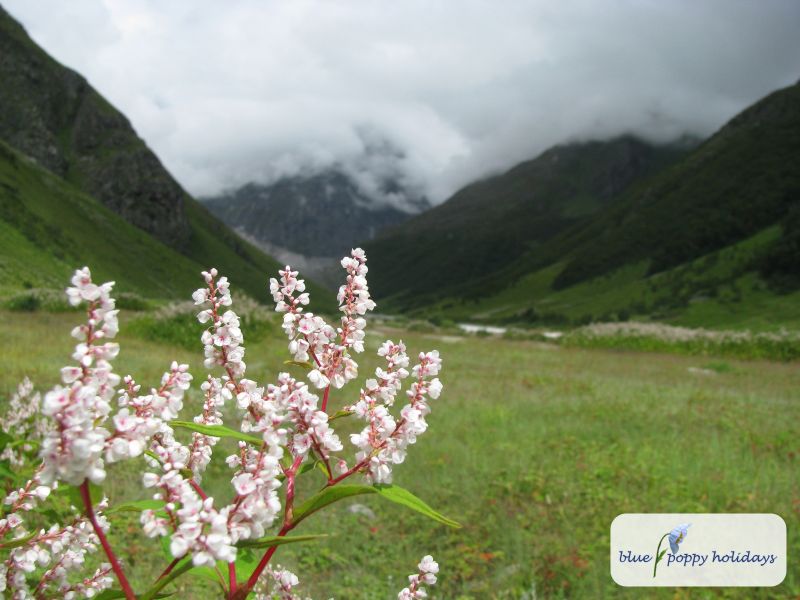
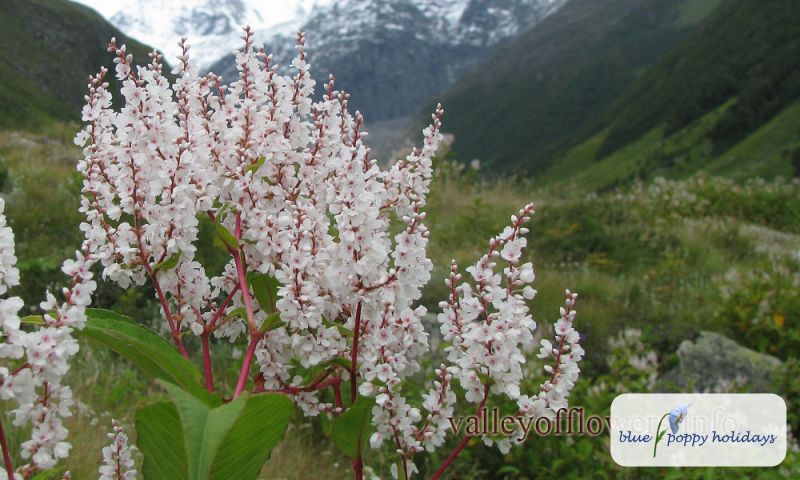
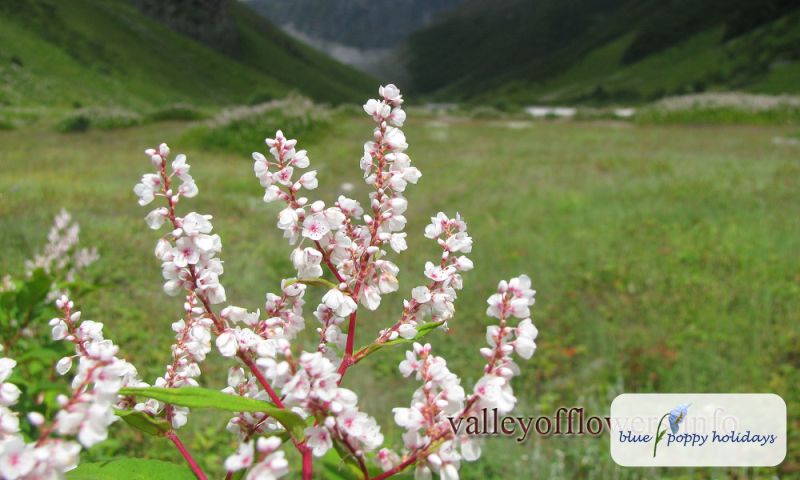
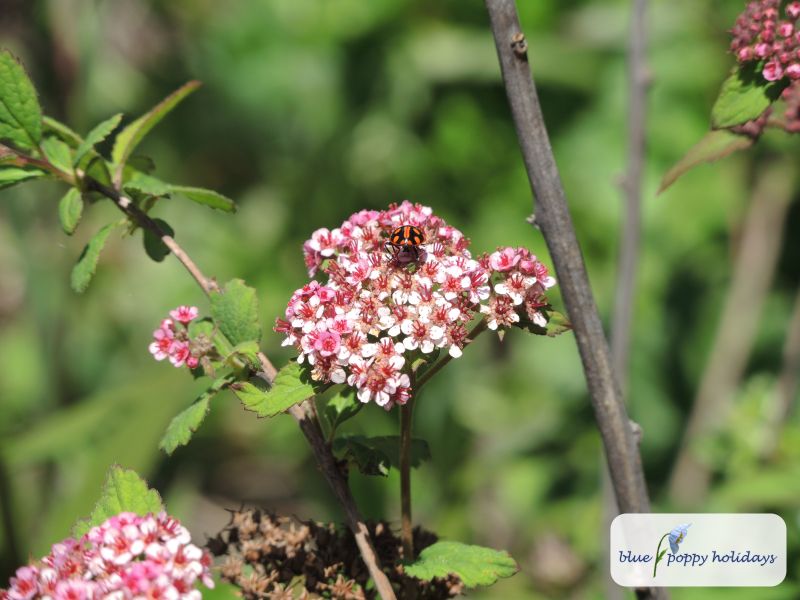
Polygonum polystachyum a perennial gregarious under shrub with 1-2 m height. It has branched and reddish brown stem. Leaves are 6 to 18, oblong-lanceolate, acuminate at apex and narrowed at base. Flowers are fragrant, white often tinged with pink. Flowers are arranged in much branched, terminal, spreading panicles. Stamens are 8 and deeply divided. The specific name Polystachyum refers to many stems.
Where to find it
- Near the entrance of the valley
- In the middle of the valley
- In the deeper parts of the valley
- Around Hemkund Sahib
Habitat
Very common in shruberries, mountain slopes and meadows.
Uses & folklore
Leaves are used as vegetable and young twigs are used in pickles.
What the name means
Polygonum: Greek polys + gonu (many-jointed); polystachyum means "many-spiked".
Don't confuse it with
P. amplexicaule (sno 133) has stem-clasping leaves; P. capitatum (sno 121) has round pink flower heads.