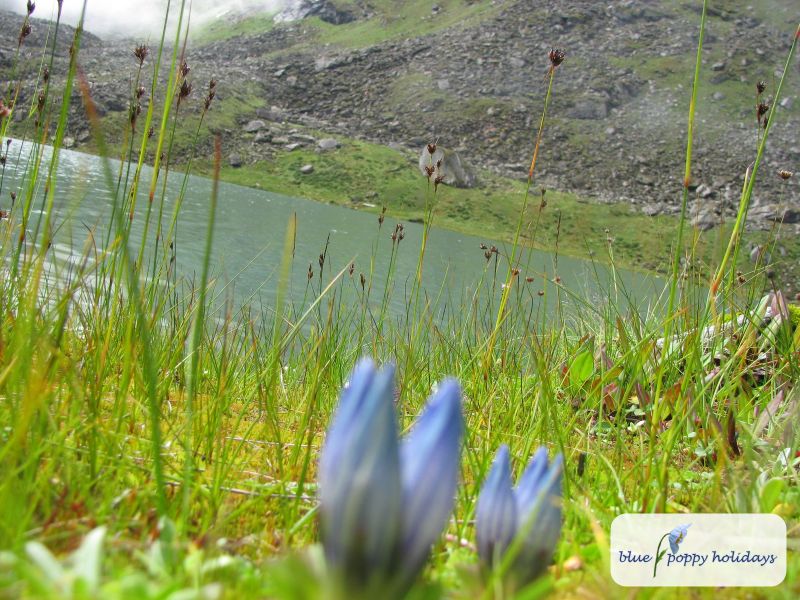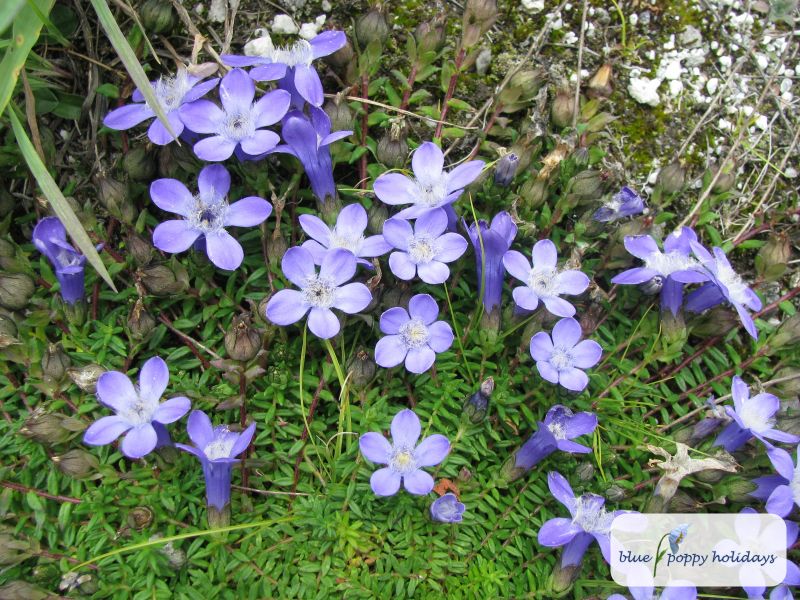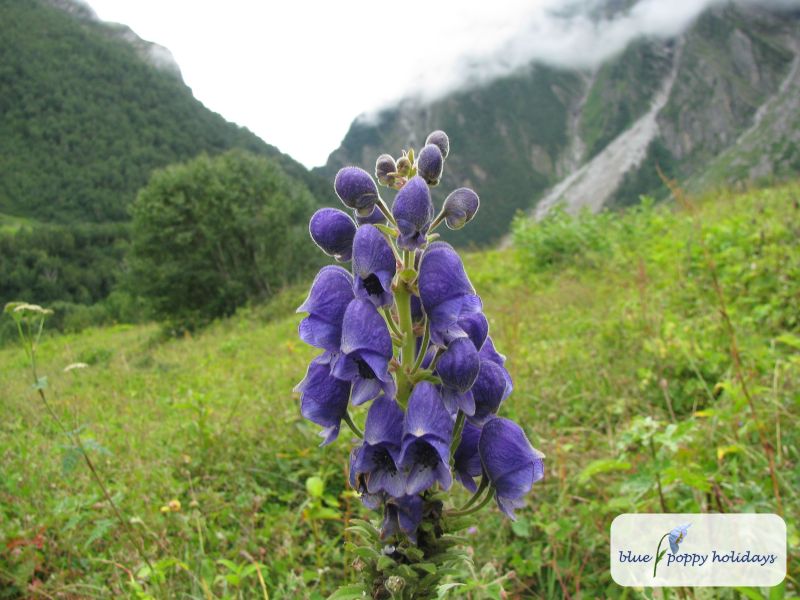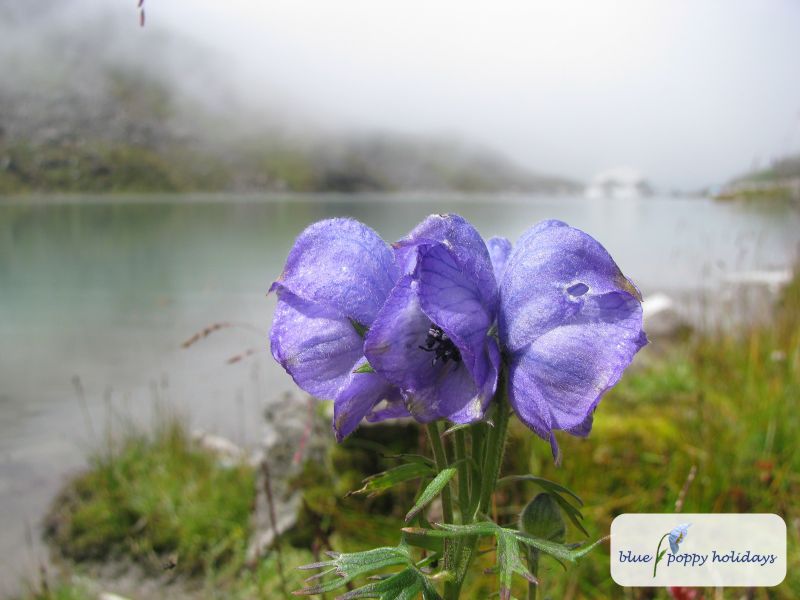
Wildflower of the valley
Trailing Bellflower
Cyananthus lobatus
- How easy to find
- Easy to see — you will see it easily on the trail
- Flower size
- Medium
- Family
- Campanulaceae (Bellflower family)
- Type
- Herb
- Height
- 15–50 cm
- Flower colour
- Dark blue
- Flowering
- June to September
About Trailing Bellflower
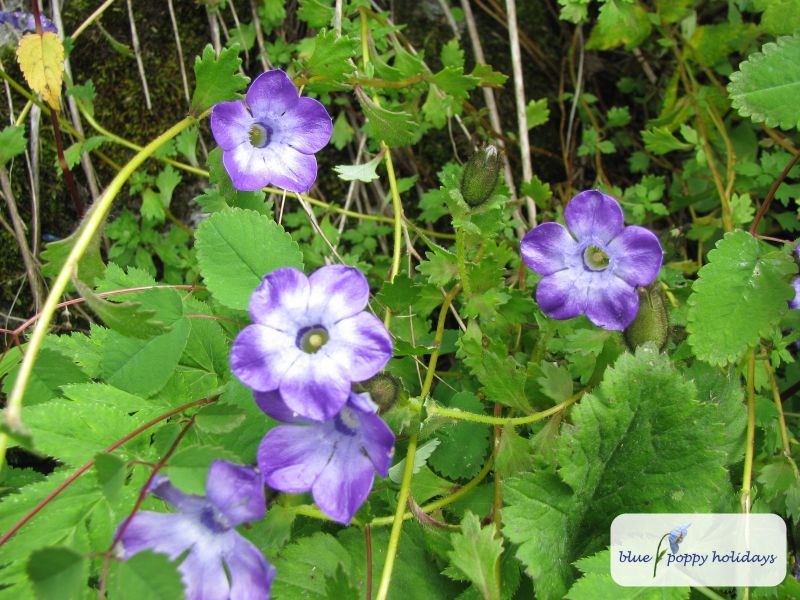
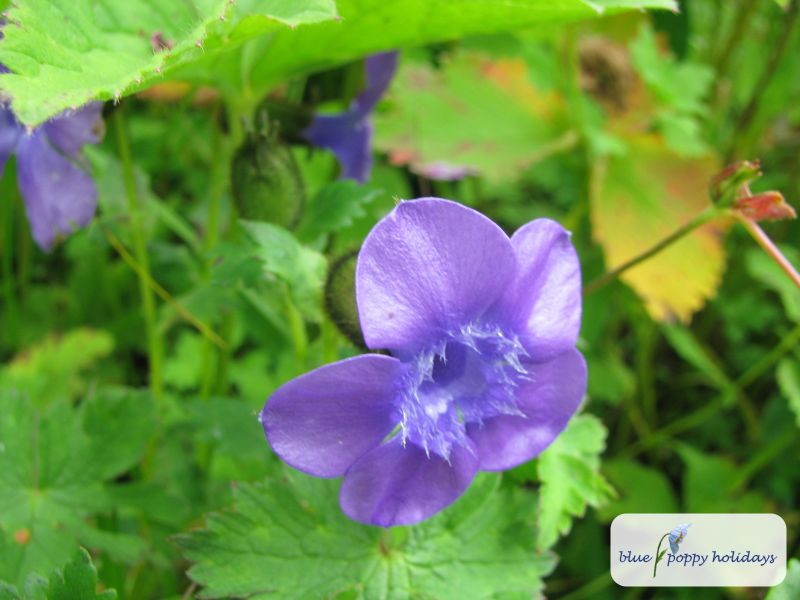
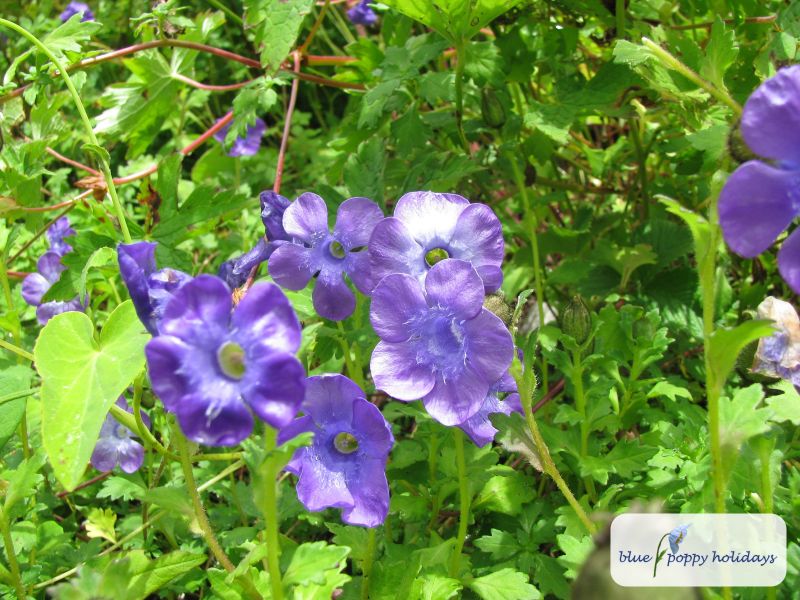
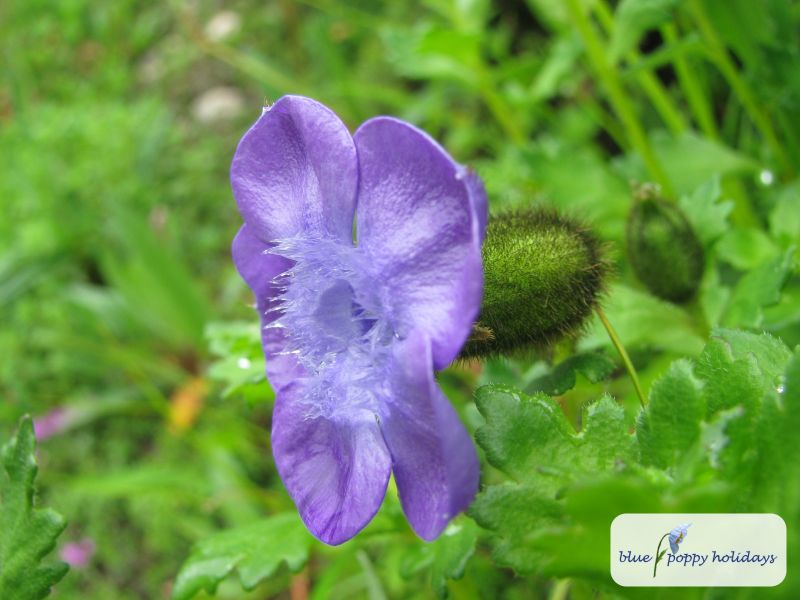
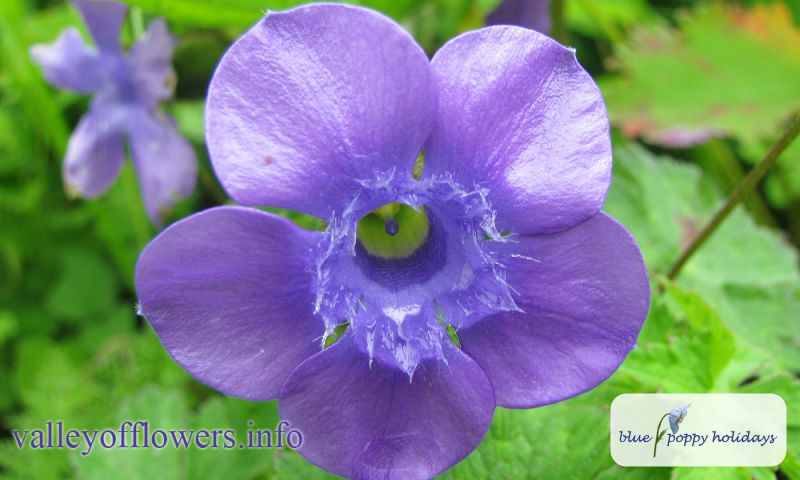
Cyananthus lobatus is a perennial herb with carrot shaped roots. Stem is ascending and of 15 to 50 cm height. Flowers are bright blue in color and sometimes purple also. Calyx is tubular and mainly covered with brownish black hairs. Cyananthus means dark blue flowers and lobatus means lobed leaves.
Where to find it
- In the middle of the valley
- In the deeper parts of the valley
Habitat
Grassy slopes, meadows and found in groups.
Uses & folklore
Used in Tibetan medicine. Flowers are used for treating constipation disorders. Napalese use roots for treating ulcers.
What the name means
Cyananthus is Greek kyanos (dark blue) + anthos (flower); lobatus means "lobed".
Don't confuse it with
Cyananthus microphyllus (sno 150) has smaller leaves and even lower, more prostrate growth.
More photos
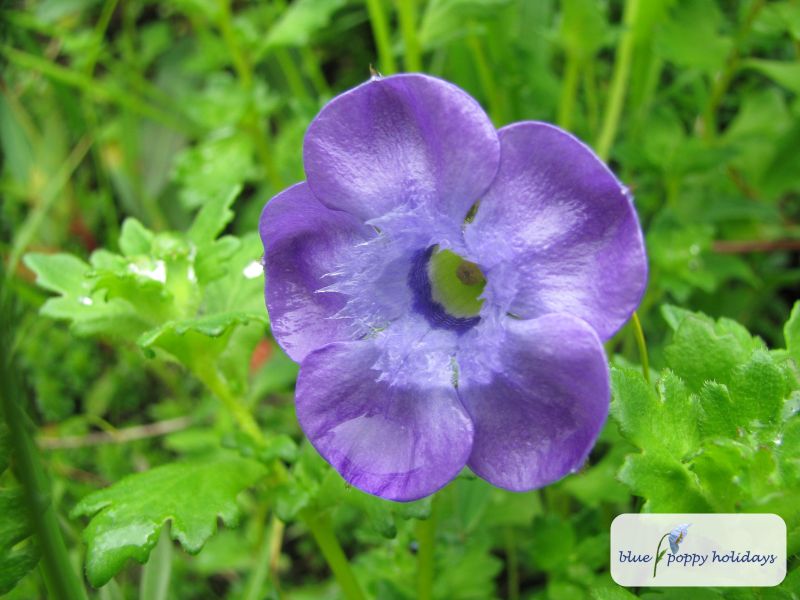
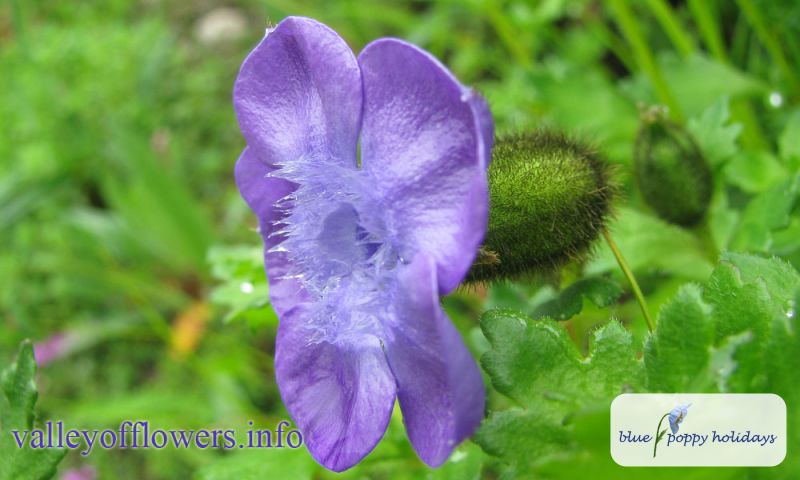
Here, Cyananthus Lobatus appears nestled in a bed of alpine moss. Its star-shaped petals and deep hues make it a magnet for nature… 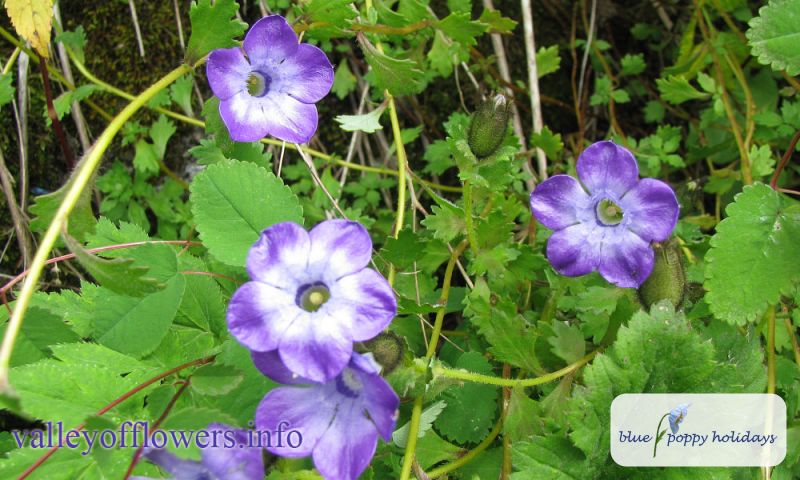
This Cyananthus Lobatus, captured on a dewy morning, showcases the flower’s striking violet glow as it sprawls across moss-covered terrain… 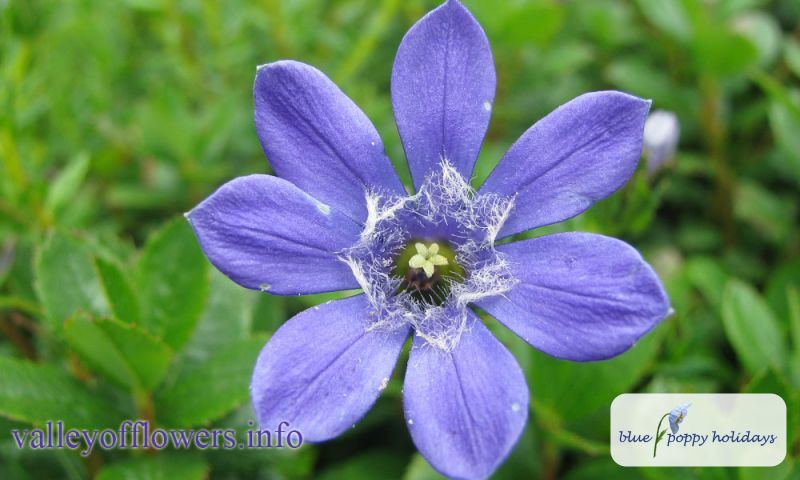
Blooming quietly near a rocky edge, this Cyananthus Lobatus displays curled, bluish-purple petals. The flower’s resilient nature allows it… 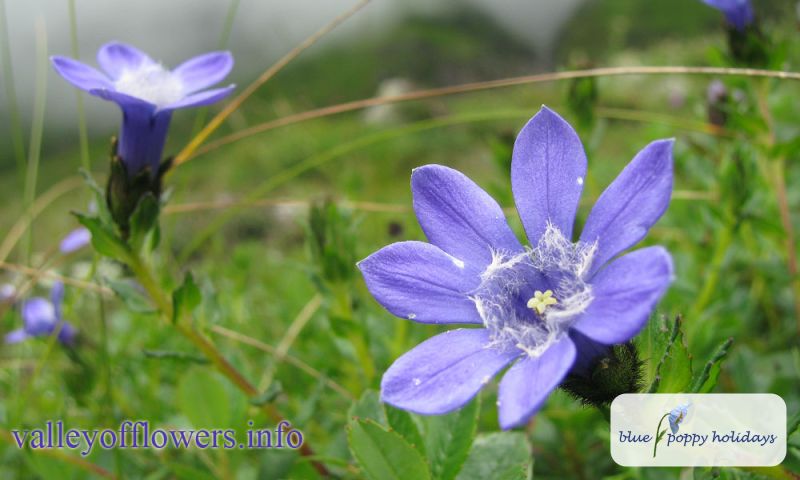
A macro view reveals the delicate textures of Cyananthus Lobatus, with hairs on its petals catching morning light. These adaptations help… 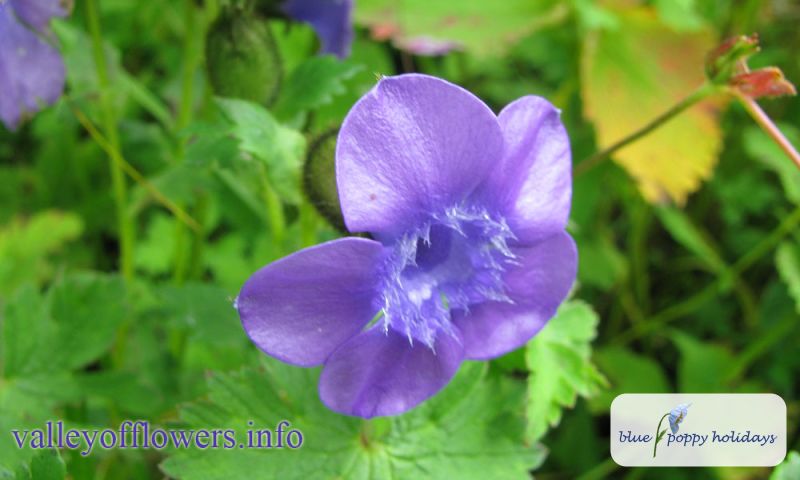
This Cyananthus Lobatus is pictured sprawling next to alpine ferns, forming a vivid tapestry. Often underestimated due to its size, its… 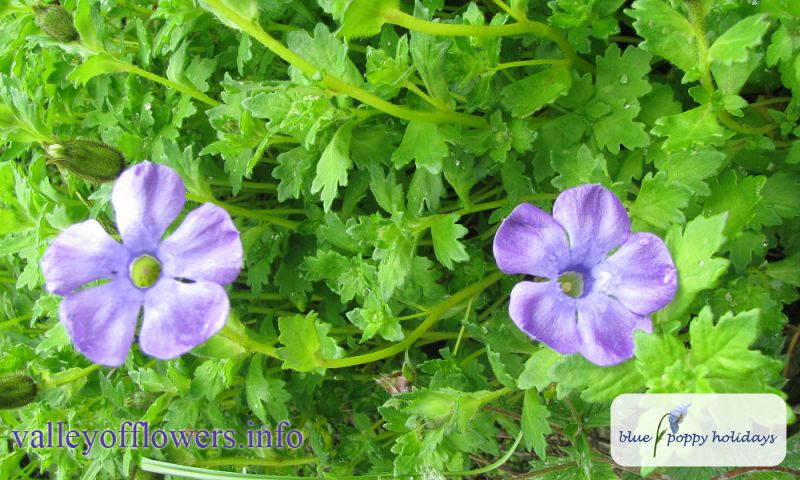
This flower’s fuzzy sepals and vibrant petals distinguish Cyananthus Lobatus from neighboring species. Often found intertwined with grass… 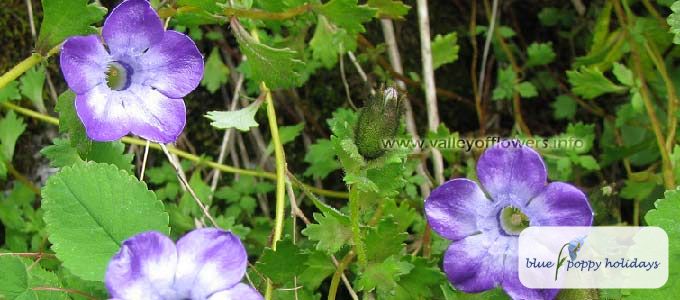
One of the more iconic Cyananthus Lobatus images, this view shows a full patch spreading under a Himalayan cliff. It represents the plant’s…