
Walk the valley
From Govindghat to the deeper parts, stop by stop
Scroll down the trail as you would walk it — with the distances, the climbs and the flowers you will see on each stretch. Written from more than a hundred visits by Devkant Sangwan.
Govindghat
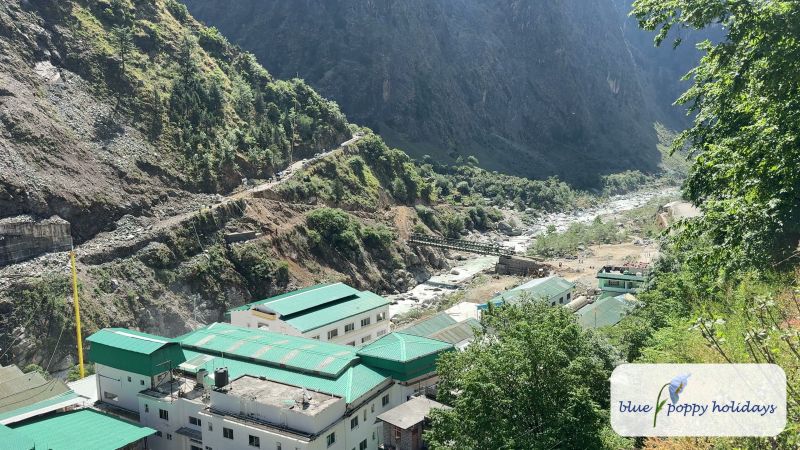
The last motorable point on the way to the Valley of Flowers and Hemkund Sahib, 25 km before Badrinath. Leave here whatever you will not need in Ghangaria.
Pulna village — the trek begins
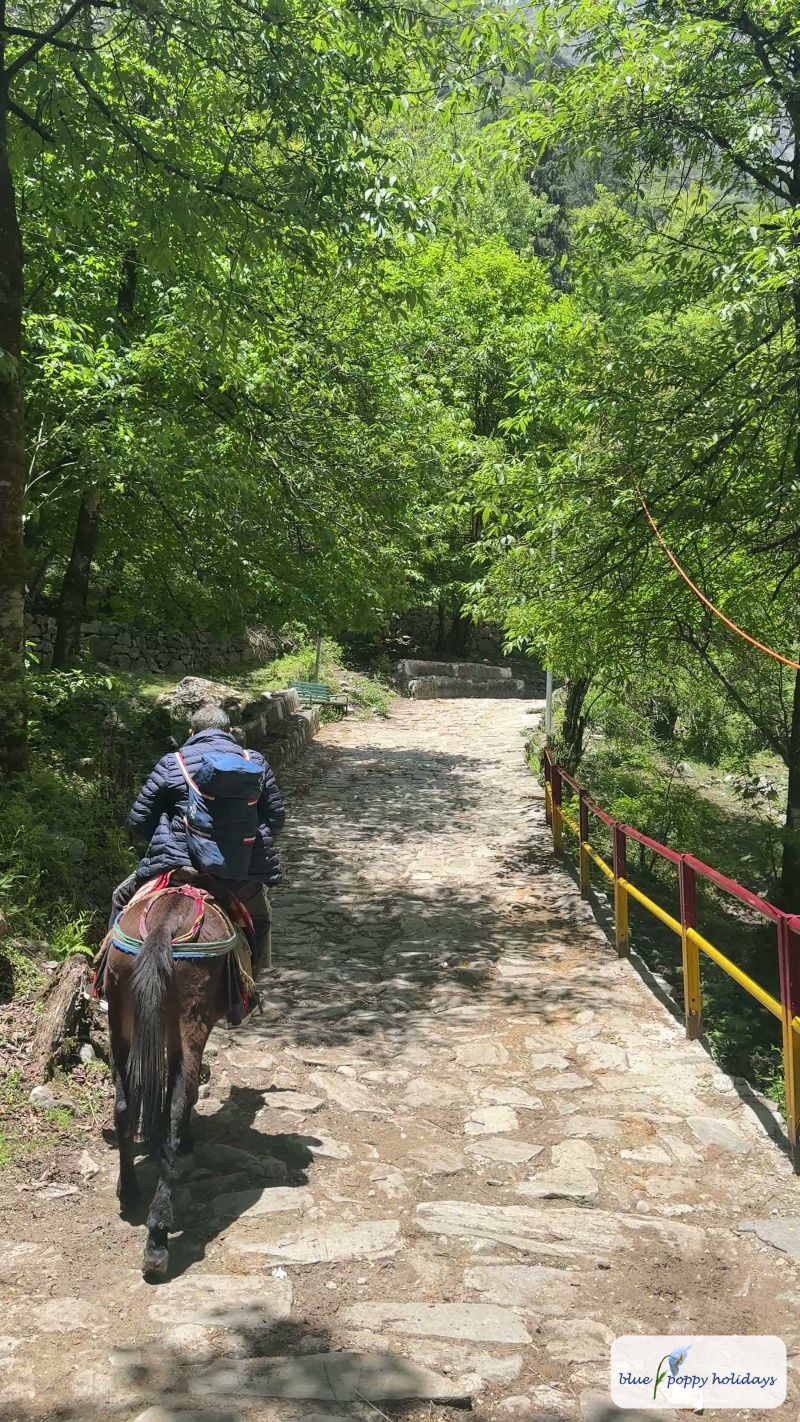
A separate local vehicle takes you 4 km up from Govindghat — your own vehicle is not allowed. From Pulna it is a 10 km trek to Ghangaria. Ponies and porters wait here; a pony to Ghangaria costs about ₹2,200.
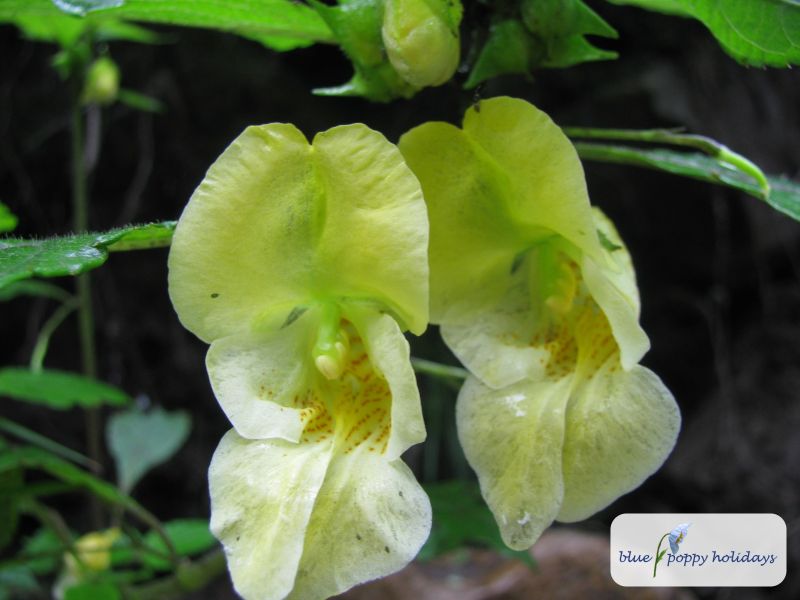
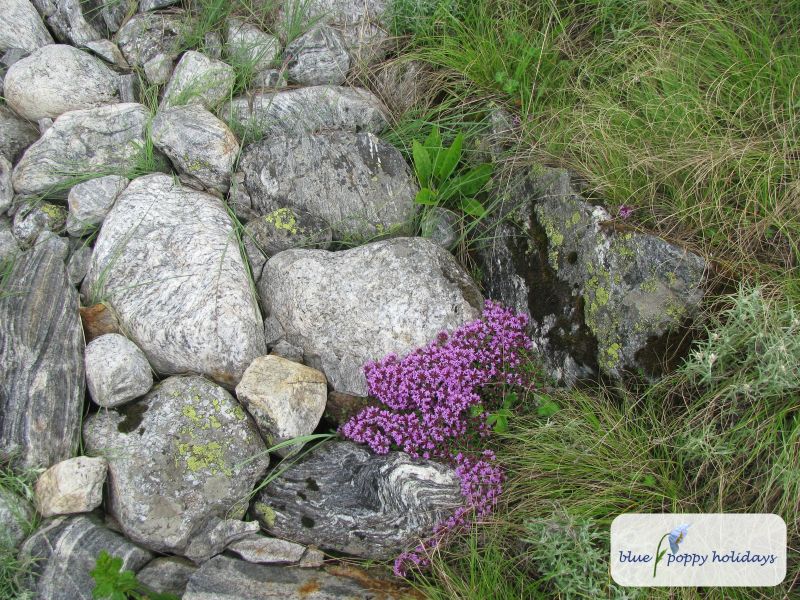
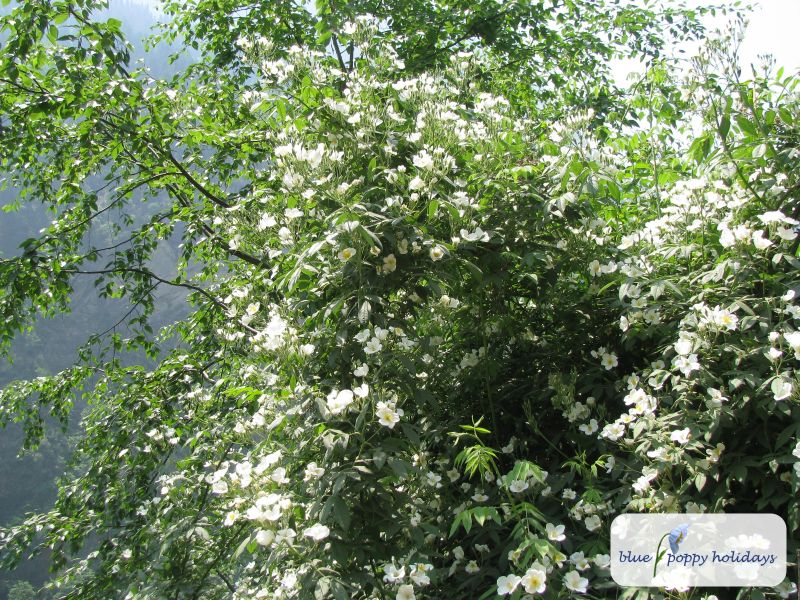
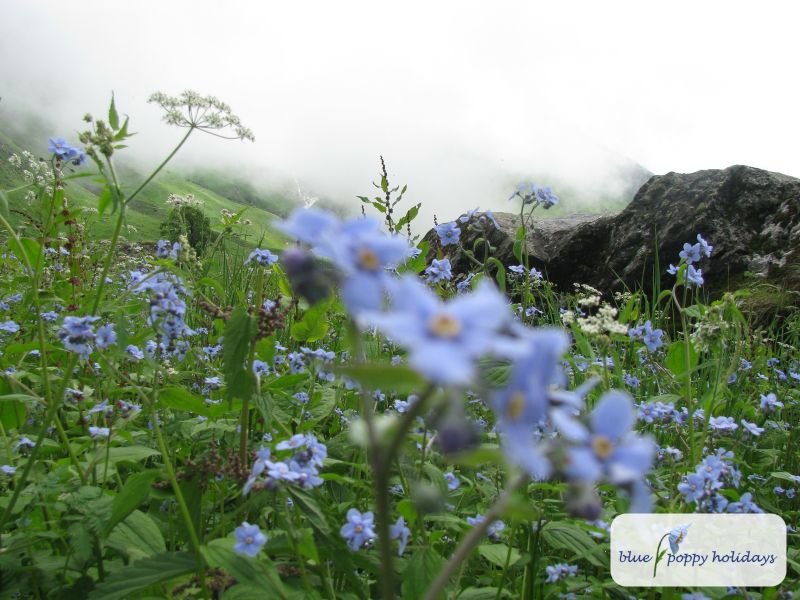
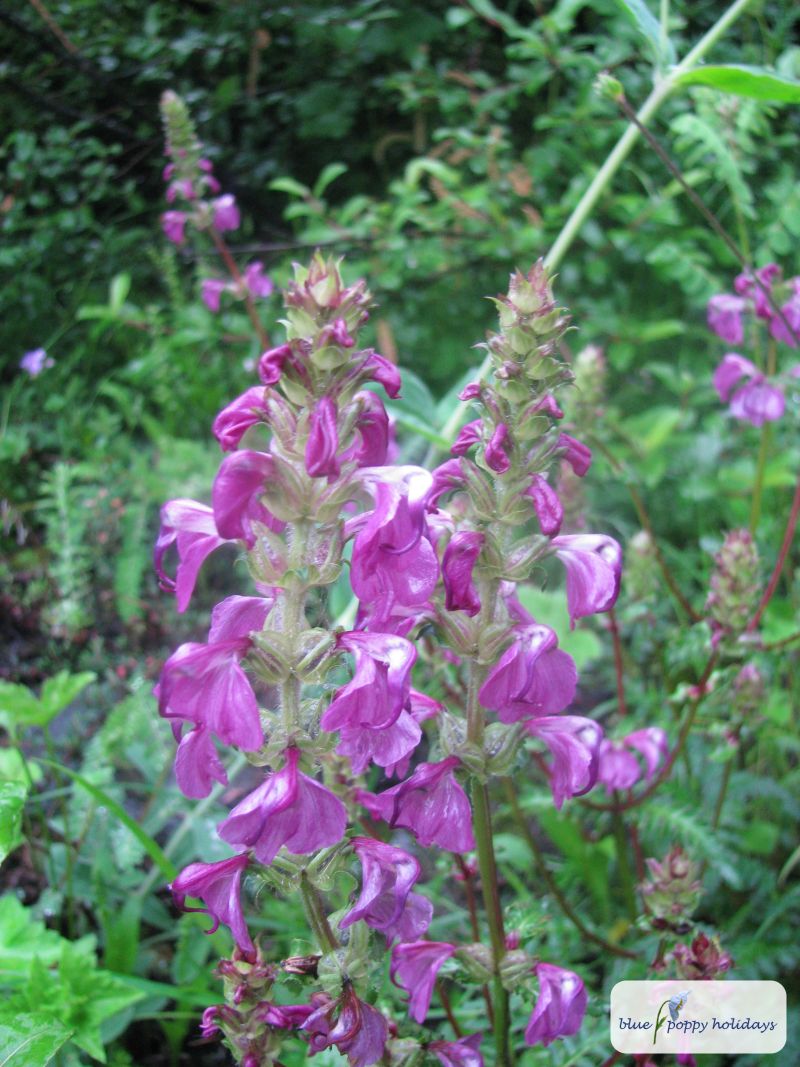
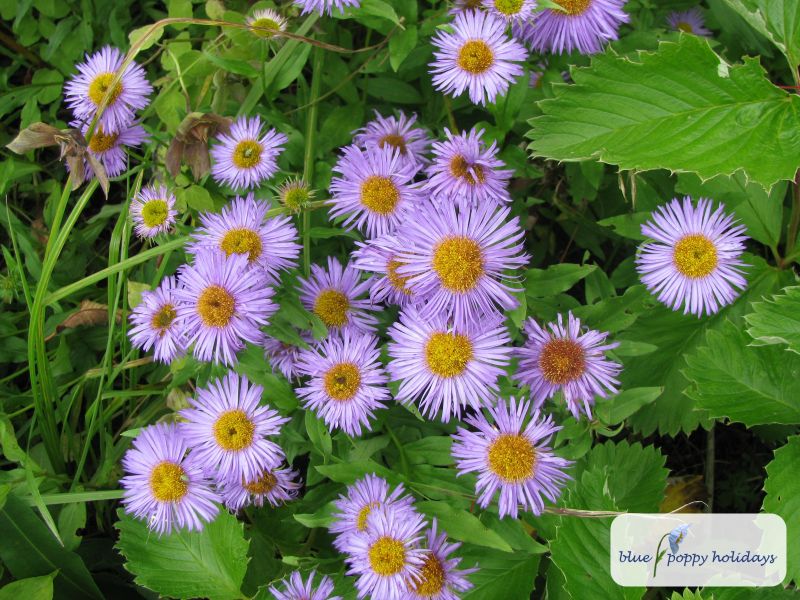
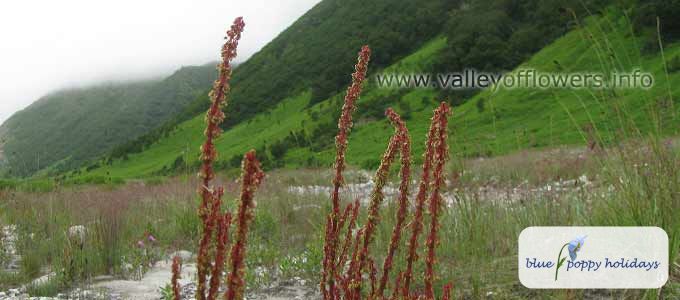
Flowers you will see here
-
-
-
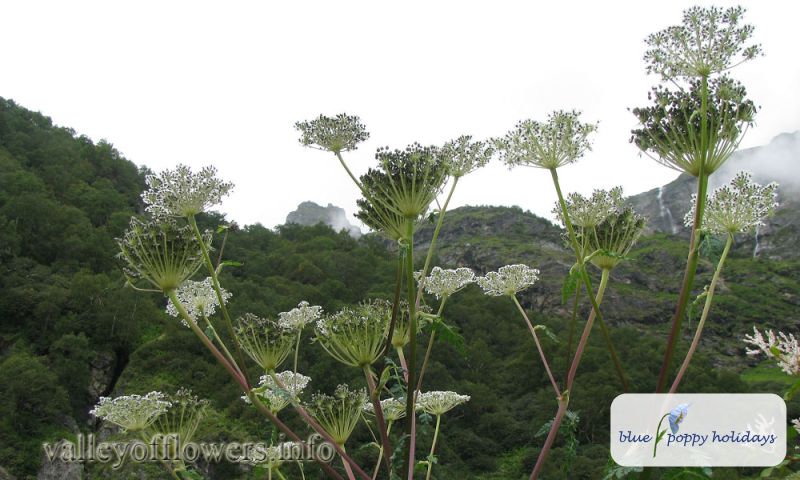
-
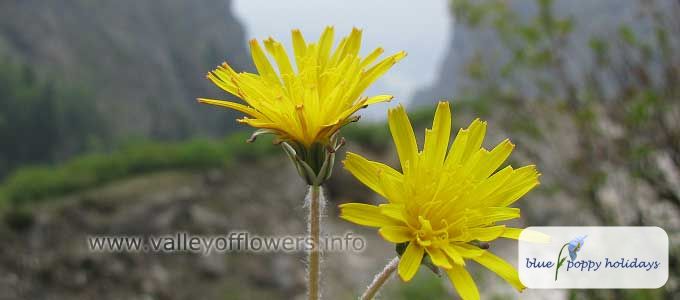
-
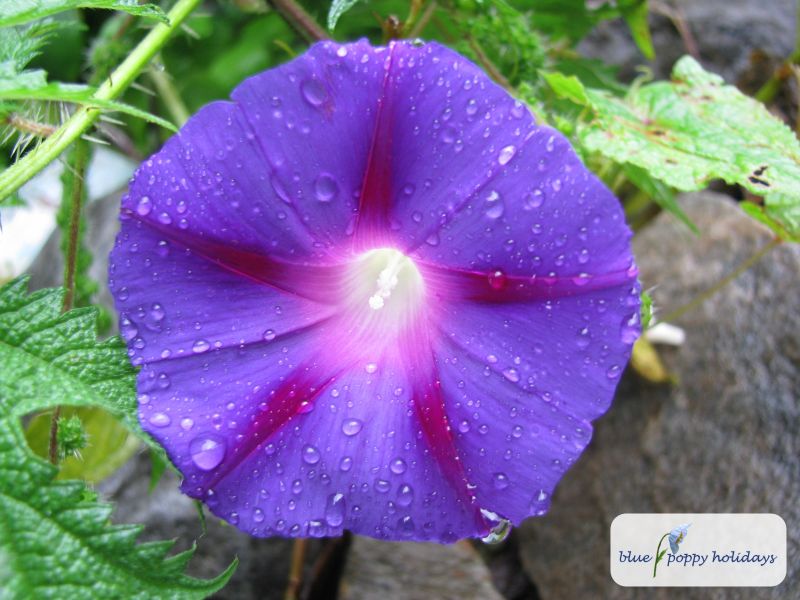
-
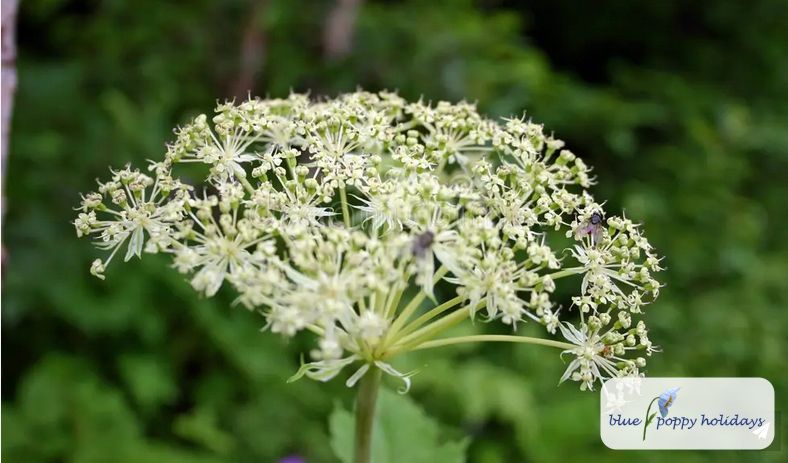
-
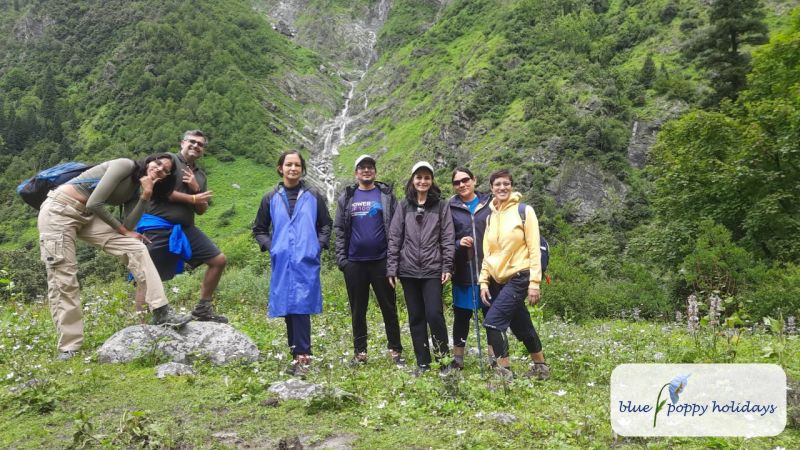
-
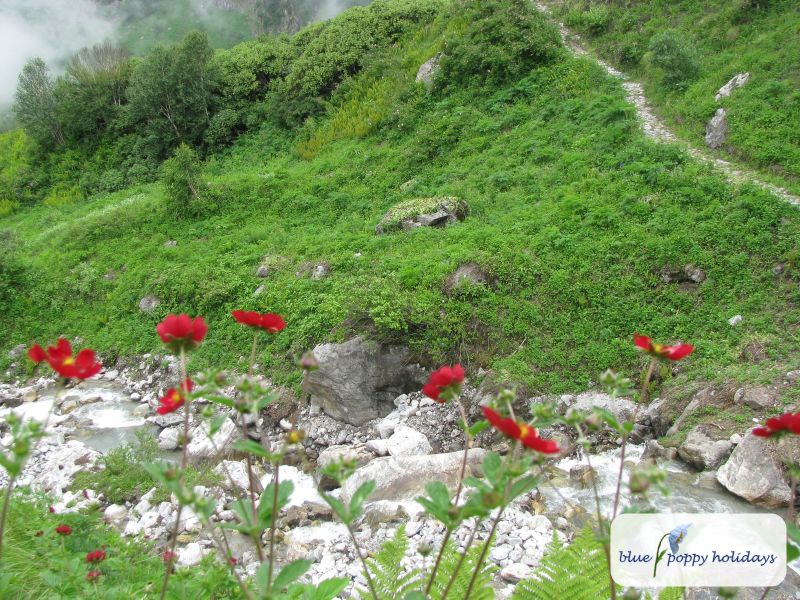
The 250-metre waterfall
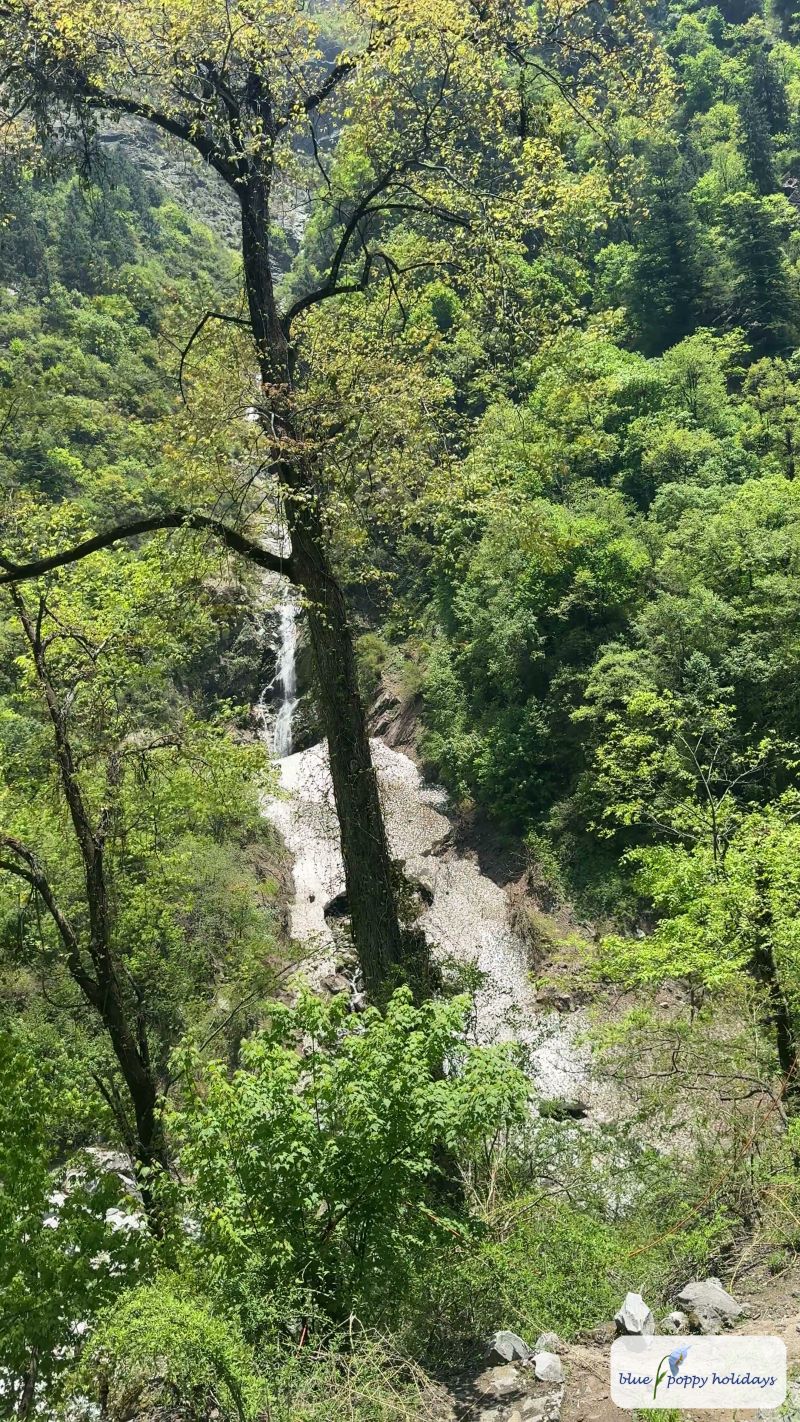
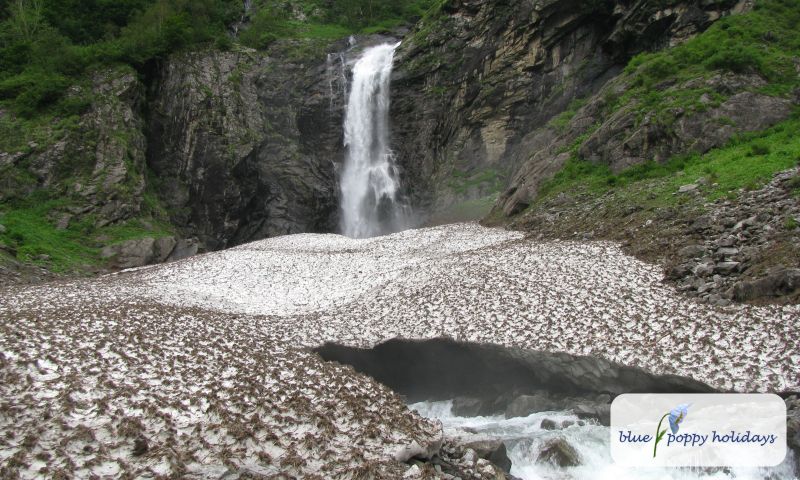
After 5–6 km of trekking you see an astonishing waterfall, about 250 metres high. Have lunch on the way and do not hurry — enjoy the beauty around you.
Bhyundar village and Hathi Peak
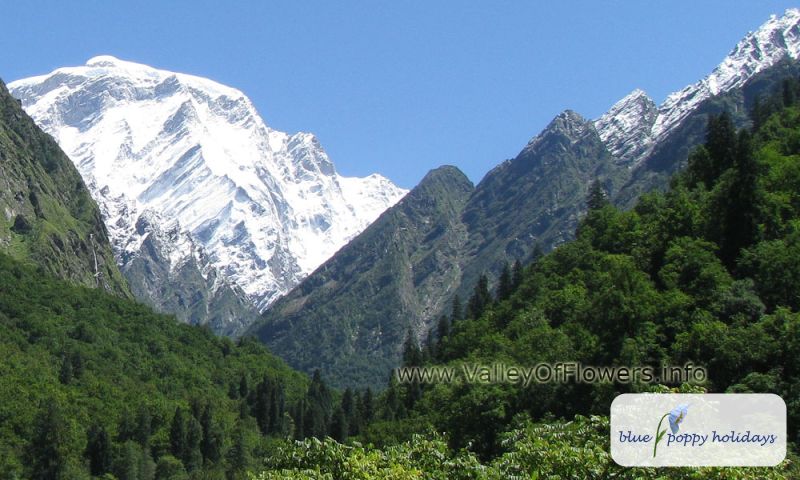
Around 7 km into the trek you see Hathi Peak from Bhyundar village. The trek to the high-altitude Kagbhusandi lake goes towards this peak. The last 3 km to Ghangaria are the steepest part of the day.
Ghangaria — the base
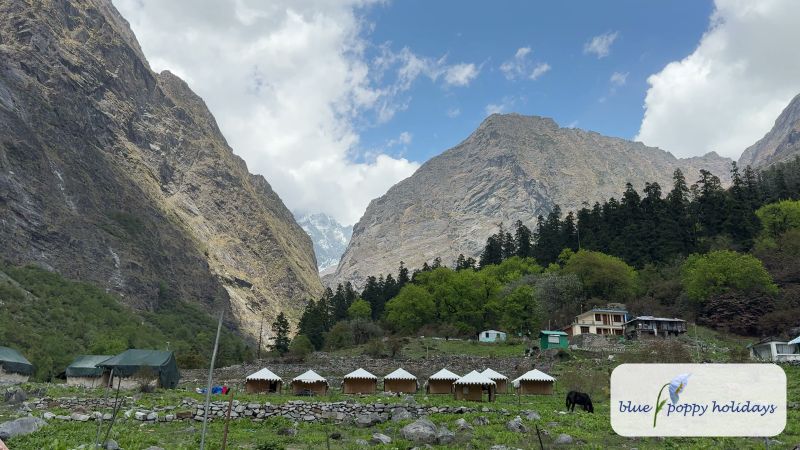
The only base for the Valley of Flowers and Hemkund Sahib: a small village of basic hotels and camps, about 4,700 ft above Govindghat. Look out for rare birds — and tail-less rats — around the village.
The entry gate
Be at the gate by 6:45 am: it opens at 7, the last entry is at 2 pm and you must be out by 5 pm. The permit is ₹200 per day for Indians and ₹650 for foreign nationals. Of the 3.5 km from Ghangaria to the official start, about half is a steep climb. Ponies are not allowed beyond this point.
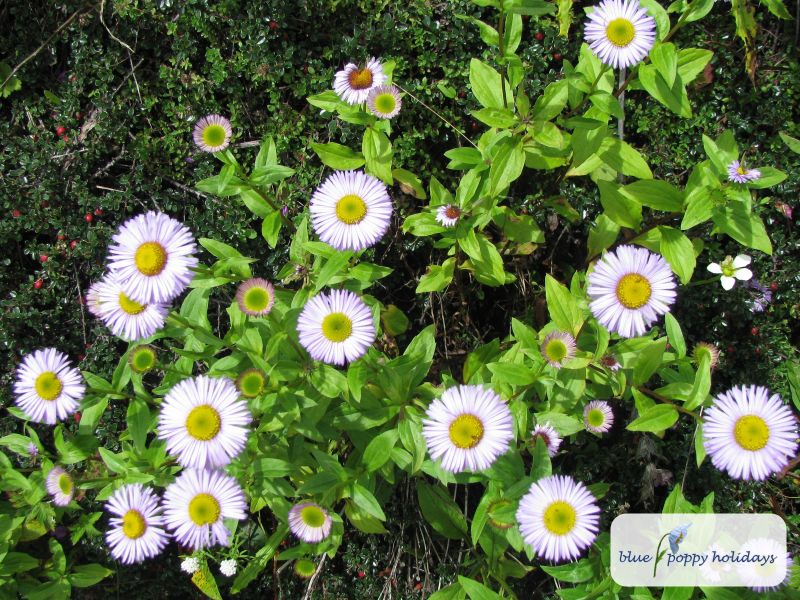
The middle of the valley
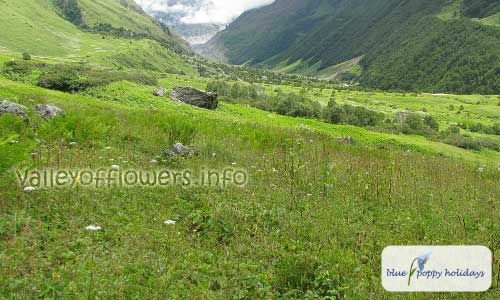
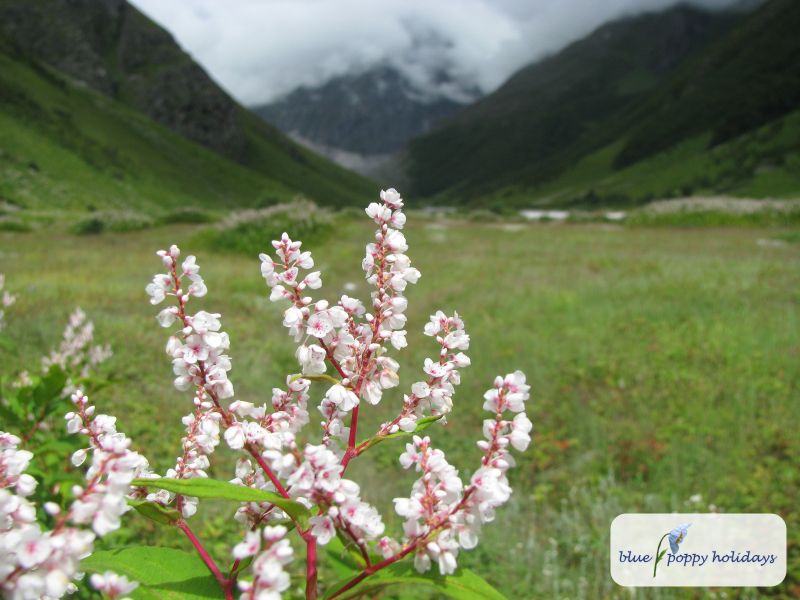
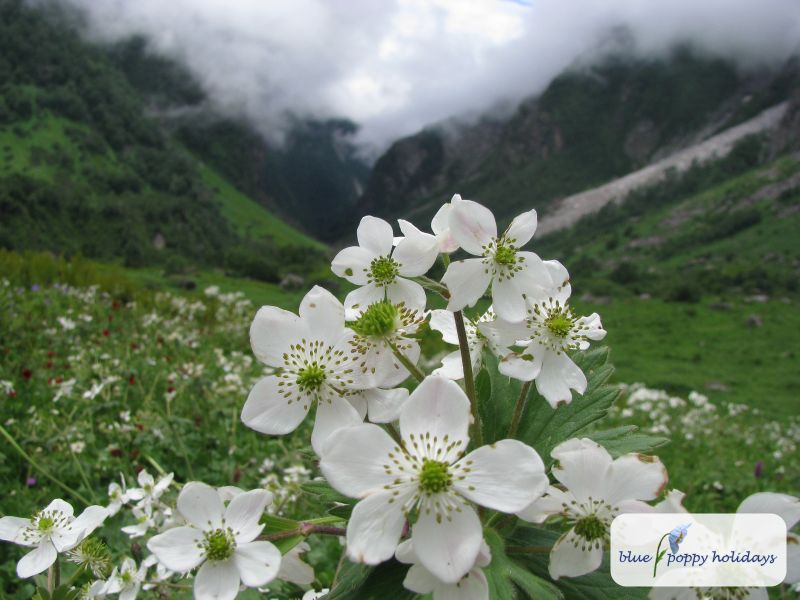
Once you reach the official starting point, the valley is almost level for the next 3–4 kilometres. This is where most people spend their time photographing — and fall 3–4 hours behind without noticing.
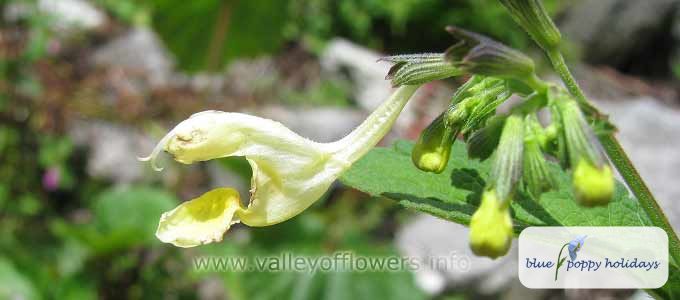
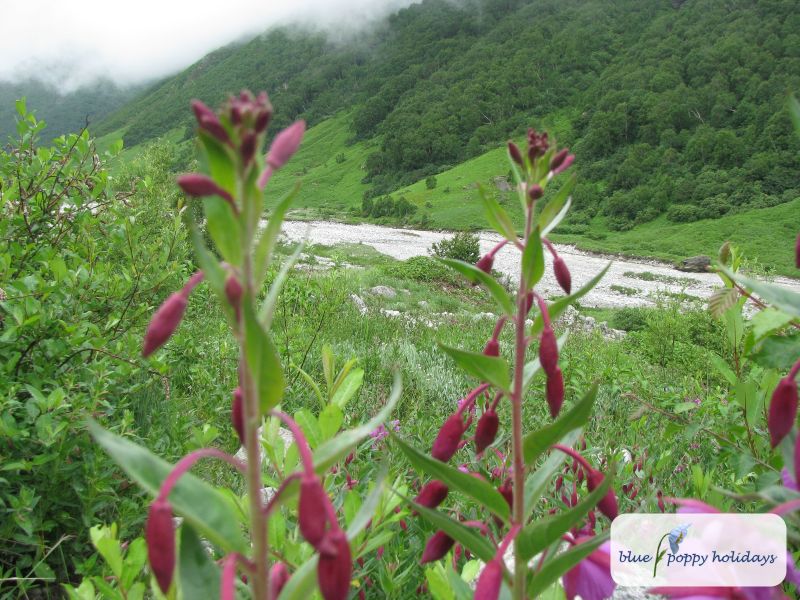
The Pushpawati river bed
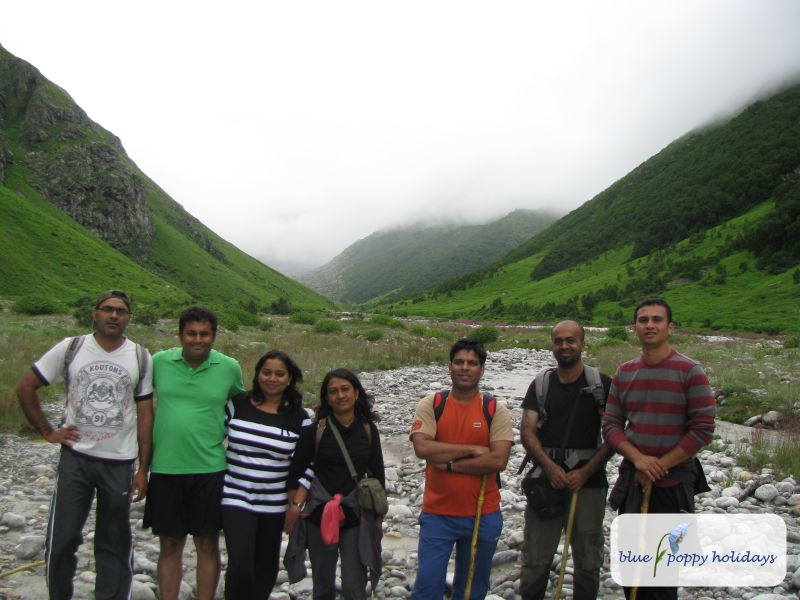
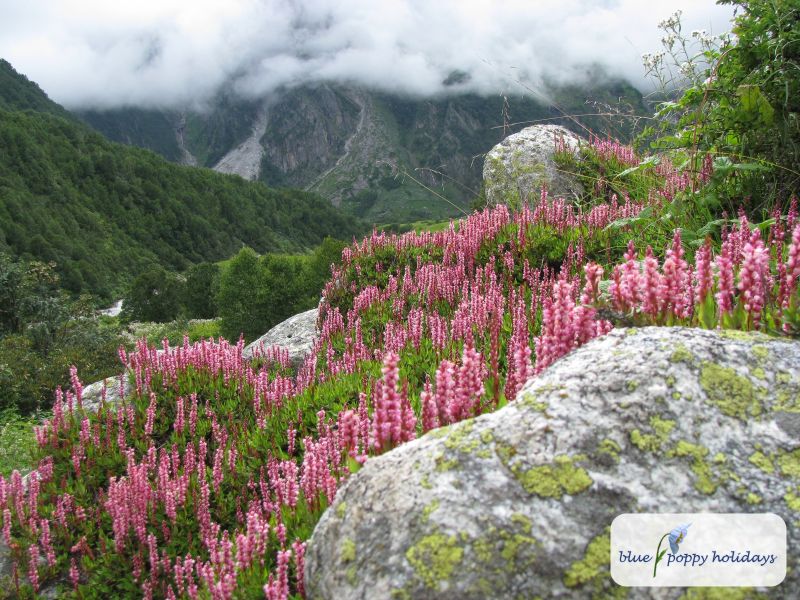
Try to have your lunch here, 7 km from Ghangaria — a sight you should not miss. In mid-July the river bed turns pink with a colony of river beauty (Epilobium latifolium). Start back by 2 pm.
The deeper parts
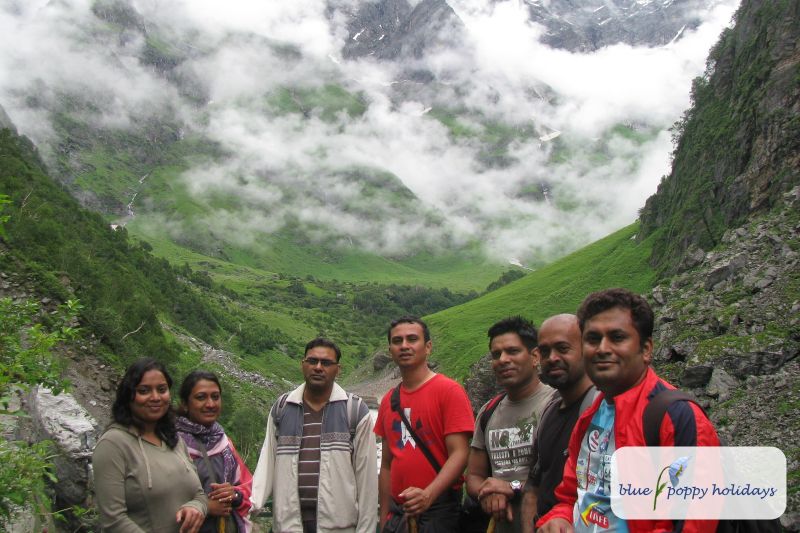
Most visitors never reach here — and they are happy, because they do not know what they have missed. One of our groups went 11 km deep into the valley: waterfalls, flowers and untouched beauty. This is why our trips give you two full days in the valley.
Hemkund Sahib
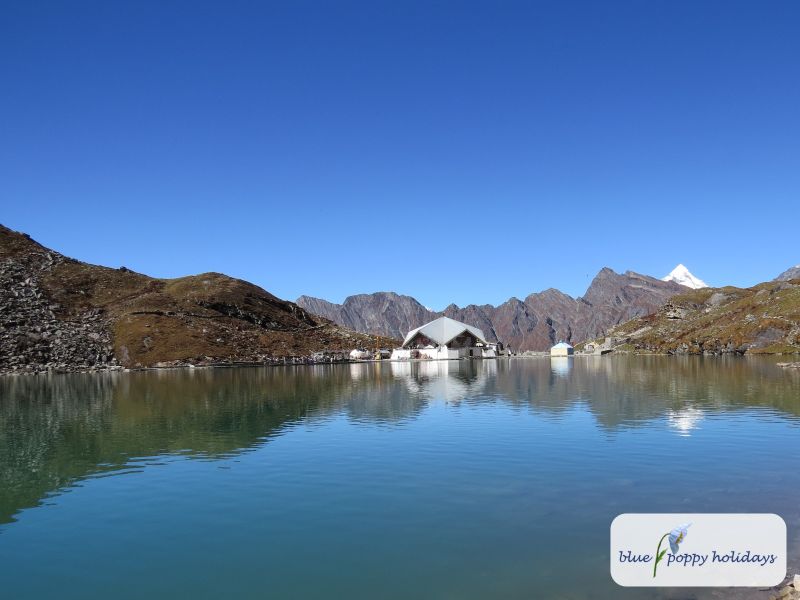
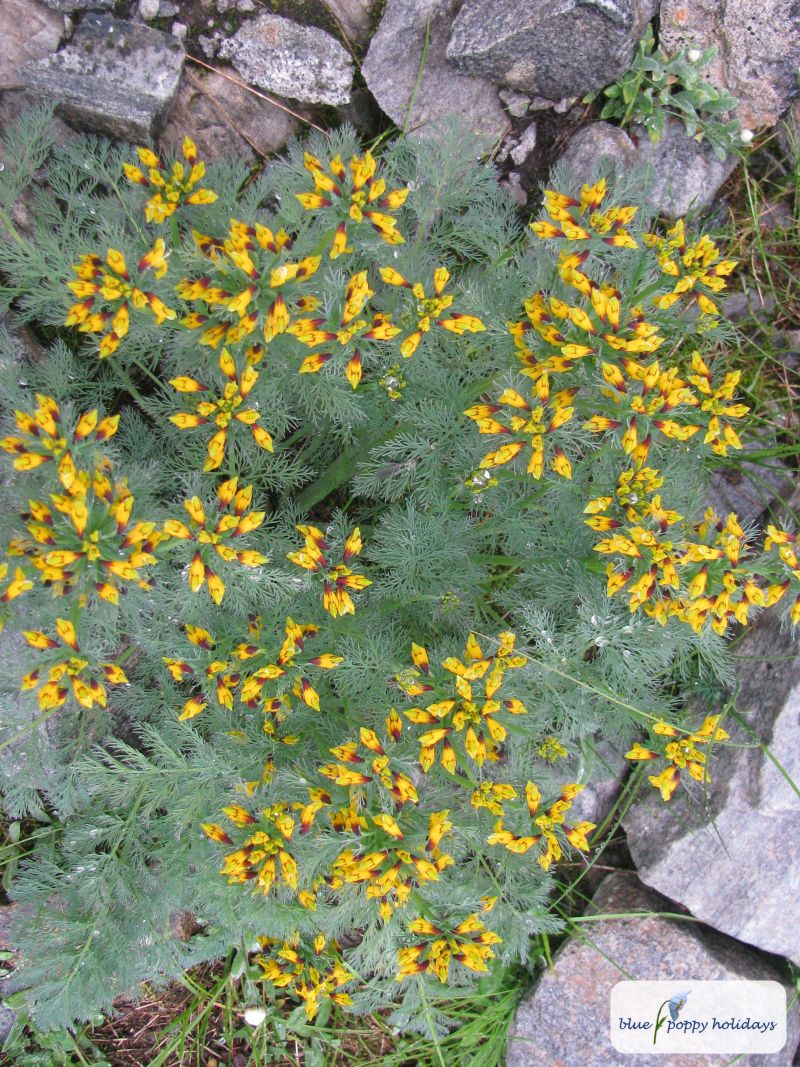
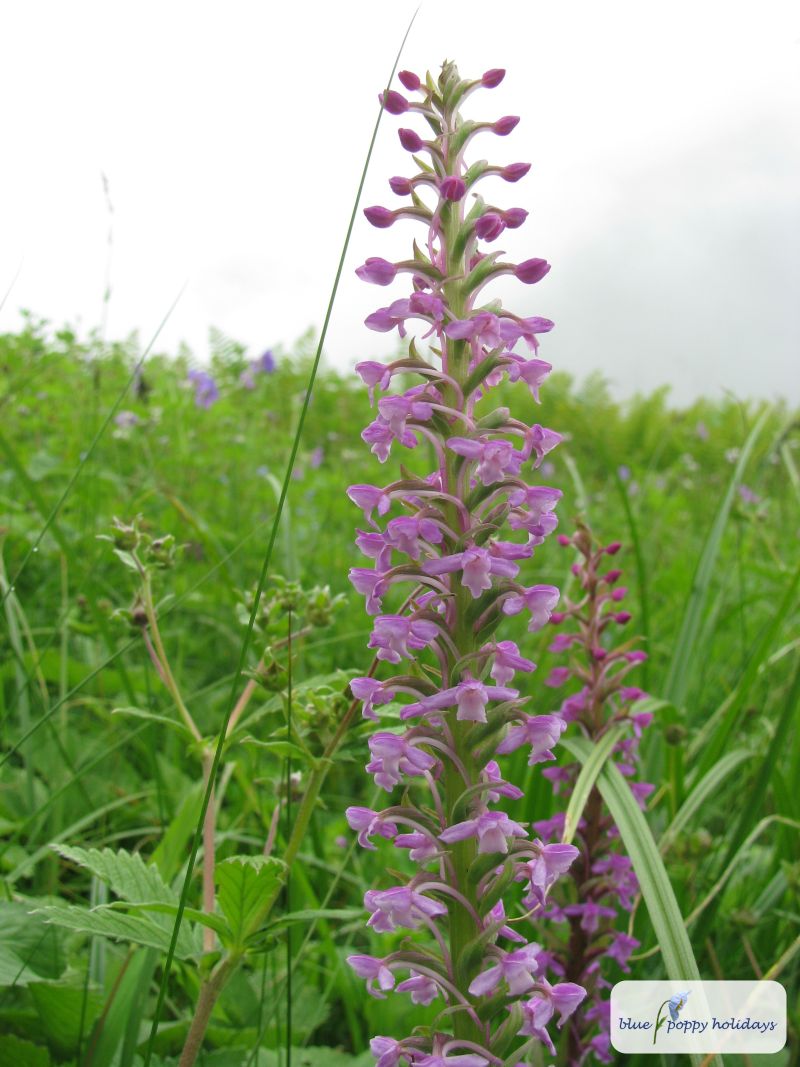
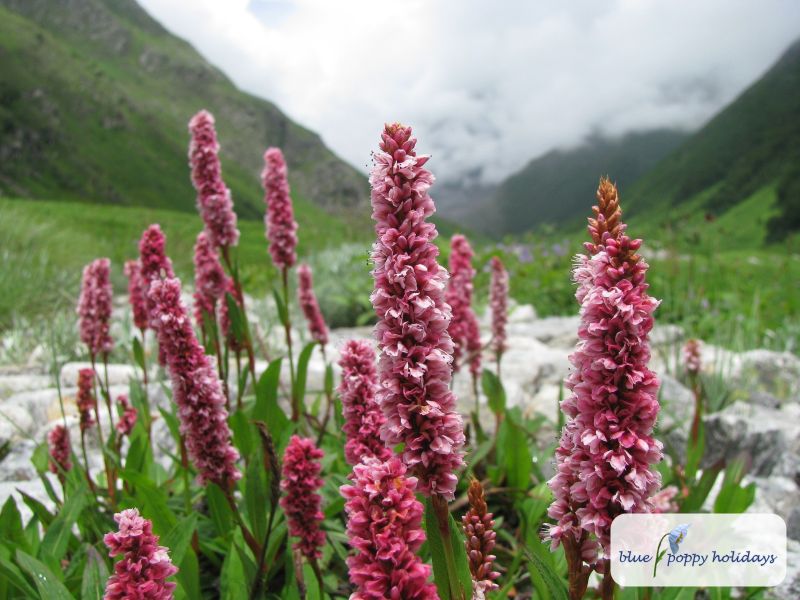
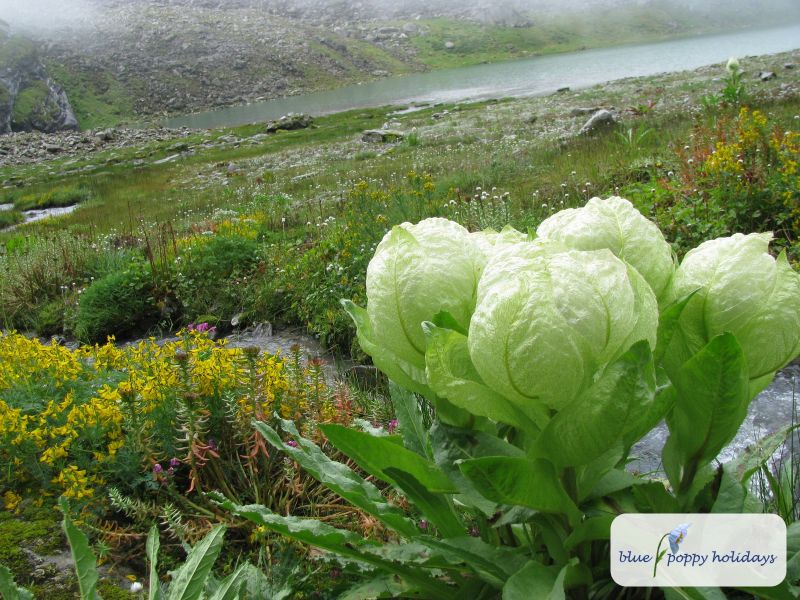
A separate day from Ghangaria: 6 km of steep trail to the world's highest gurudwara, beside a glacial lake. Take a pony at least for the way up (about ₹2,200 one way, ₹2,800 return). Hemkund has its own flowers — blue poppy, Brahma Kamal and Bistorta affinis — that you will not find in the valley.
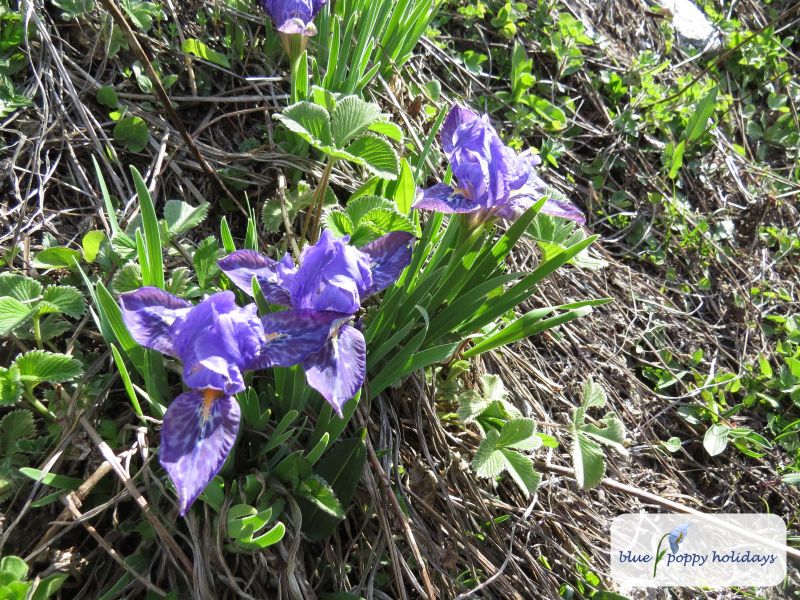
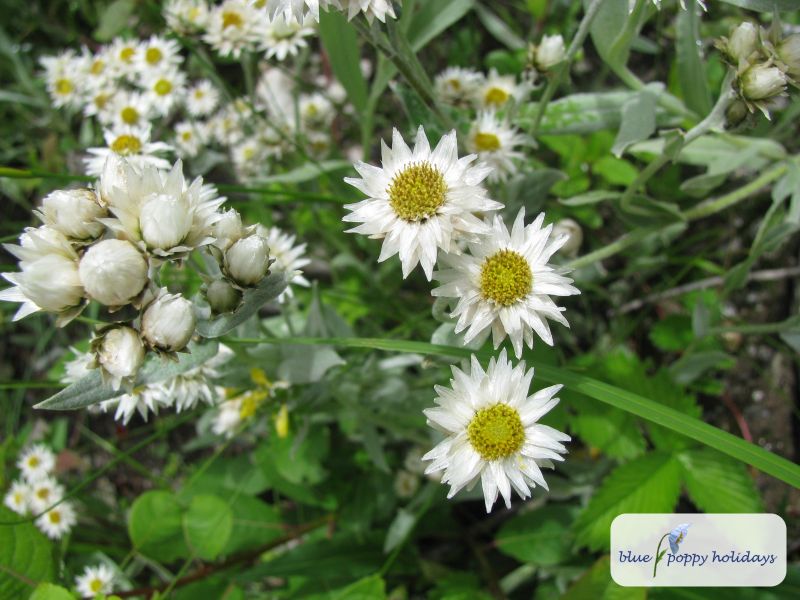
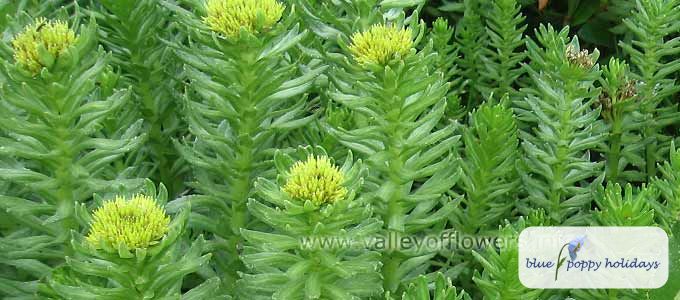
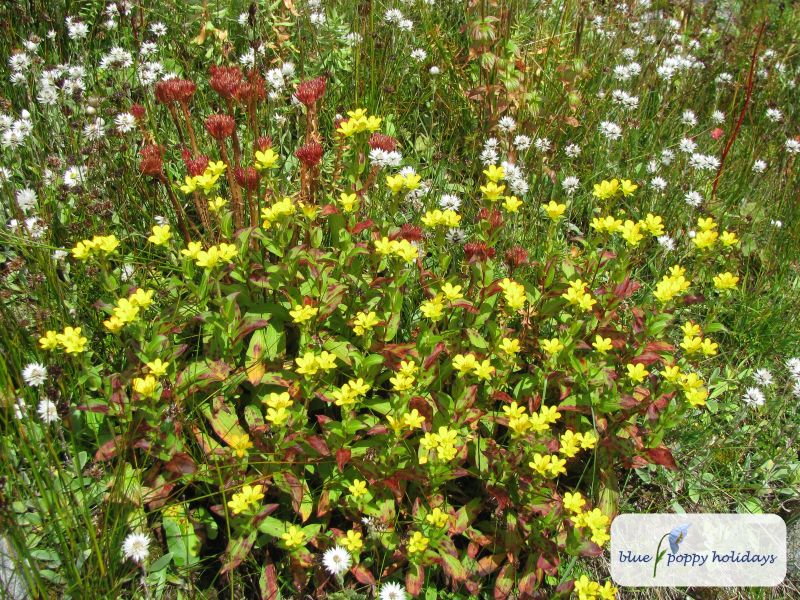
Flowers you will see here
-
-
-
-
-
-
-
-
Ready to walk it yourself?
Our trips give you two full days inside the valley, so you reach the parts most visitors never see.