Wildflower of the valley
Himalayan Jacob's Ladder
Polemonium caeruleum
- How easy to find
- Easy to see — you will see it easily on the trail
- Flower size
- Medium
- Family
- Polemoniaceae (Phlox family)
- Type
- Herb
- Height
- medium
- Flower colour
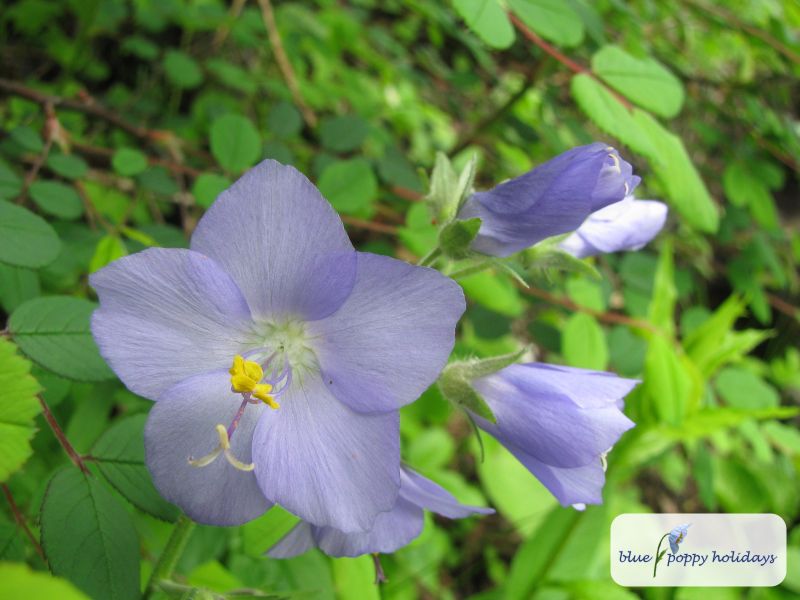
- Blue
- Flowering
- June to September
About Himalayan Jacob's Ladder
Polemonium caeruleum is a perennial herb of height 1.2 meters with glandular and pubescent upper branches. Leaves are pinnately compound. Flowers are blue in Color. The specific name caeruleum means Blue refers to blue color flowers.
Where to find it
- Near the entrance of the valley
- In the middle of the valley
- In the deeper parts of the valley
Habitat
Mountain slopes and shruberries, bank of rivers.
Uses & folklore
The plant was first used as a medicinal herb in ancient Greece. The ancient Greeks used the root to treat dysentery, toothaches and animal bites. The plant was also found in a few European pharmacies during the nineteenth century and was used as an antisyphilitic agent and to treat rabies. Today, the plant is usually used in potpourris and is boiled in olive oil to make black dyes and hair dressing, but it has few other significant uses.
What the name means
Polemonium is thought to honour Polemon of Cappadocia, an ancient Greek philosopher-botanist; caeruleum means "sky-blue".
More photos
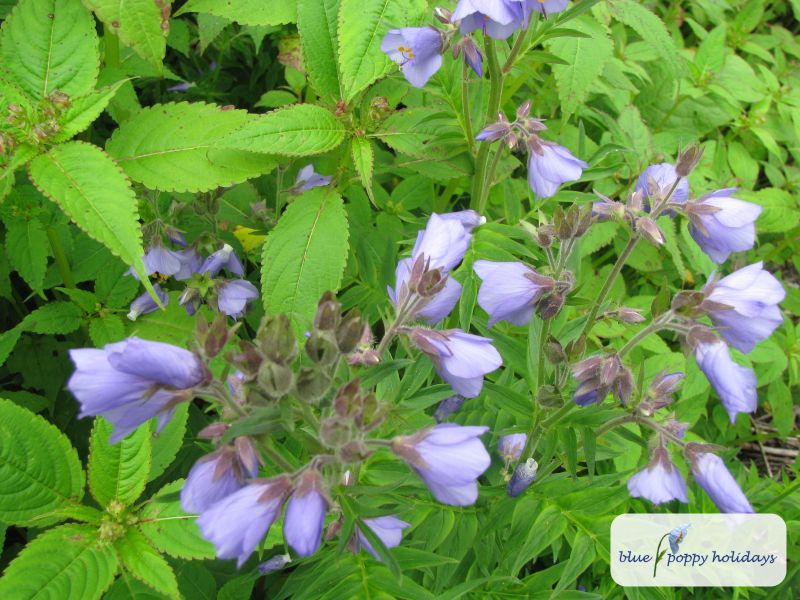
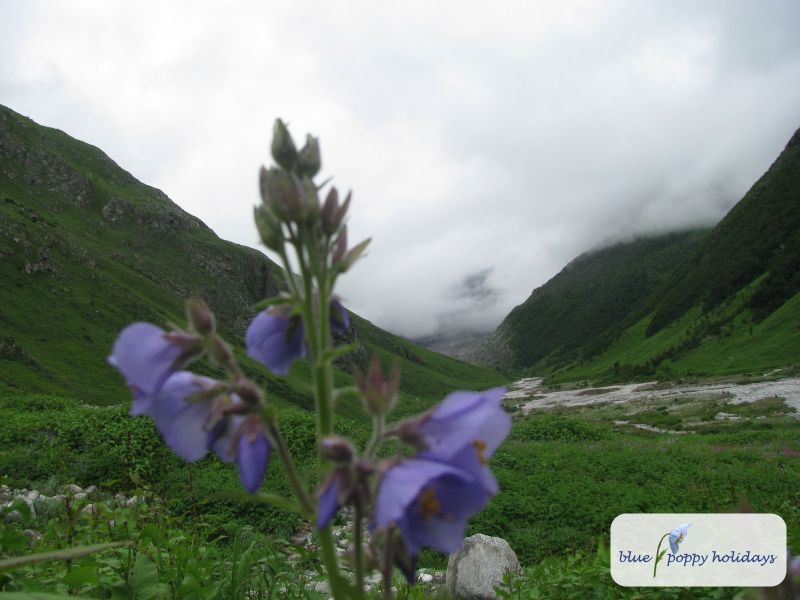
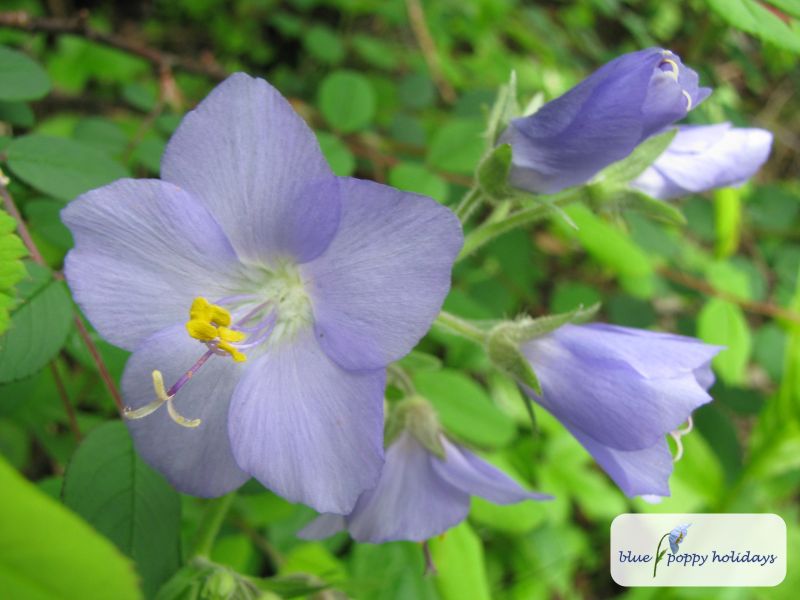
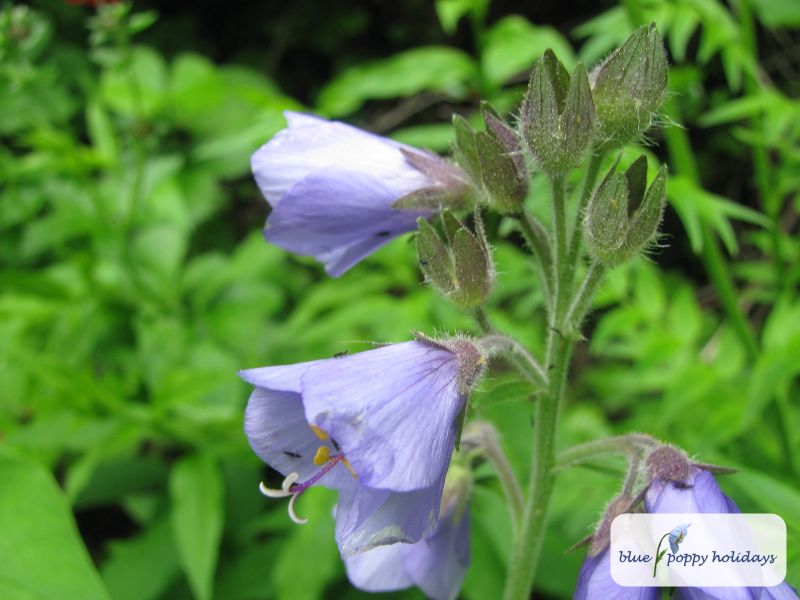
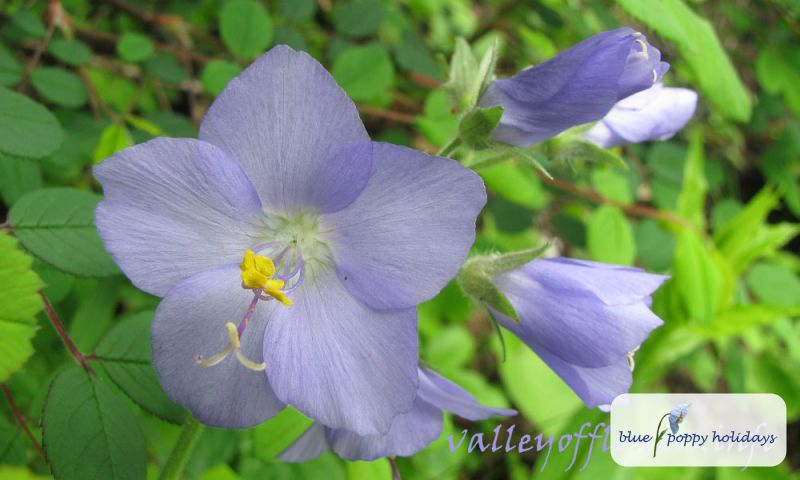
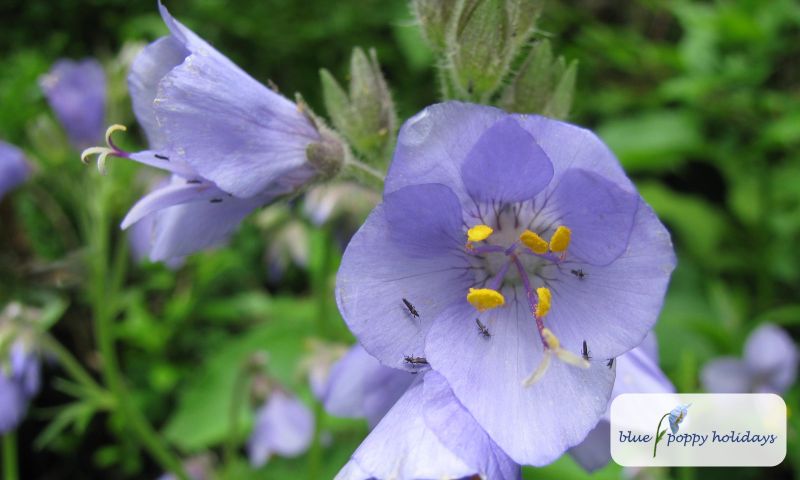
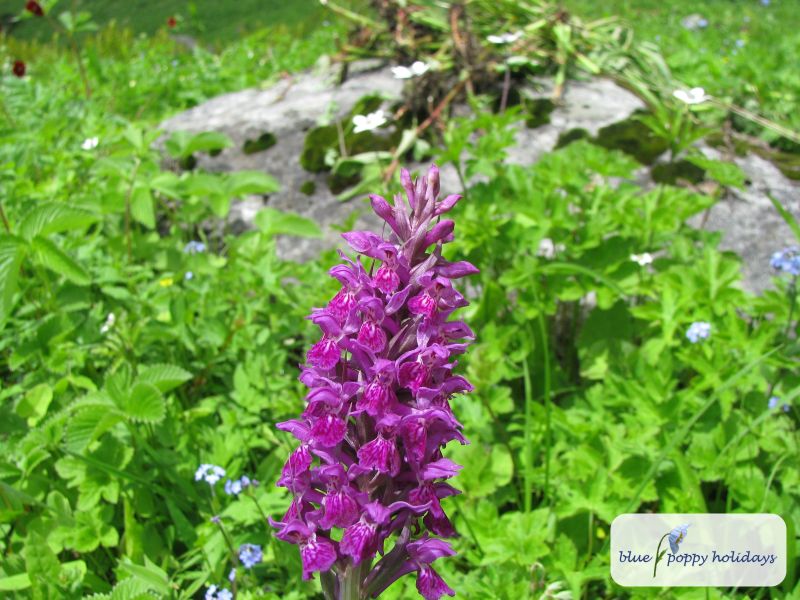
Polemonium Caeruleum, often called Jacob's Ladder, graces the Valley of Flowers with delicate clusters of blue blossoms. Its name is… 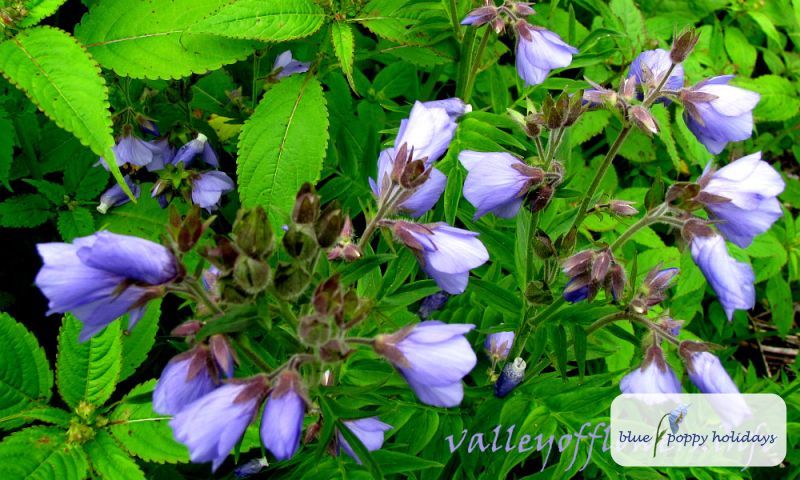
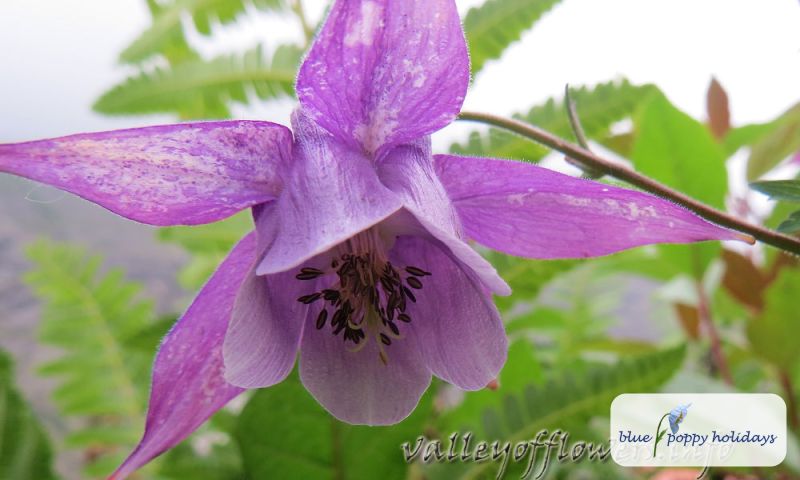
Thriving at high elevations, Polemonium Caeruleum boasts a regal hue of bluish-purple that stands out among the valley's wild flora. Each… 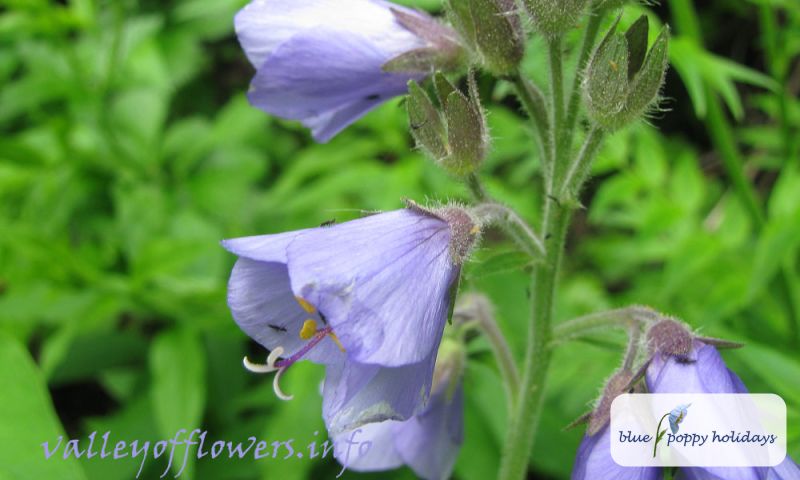
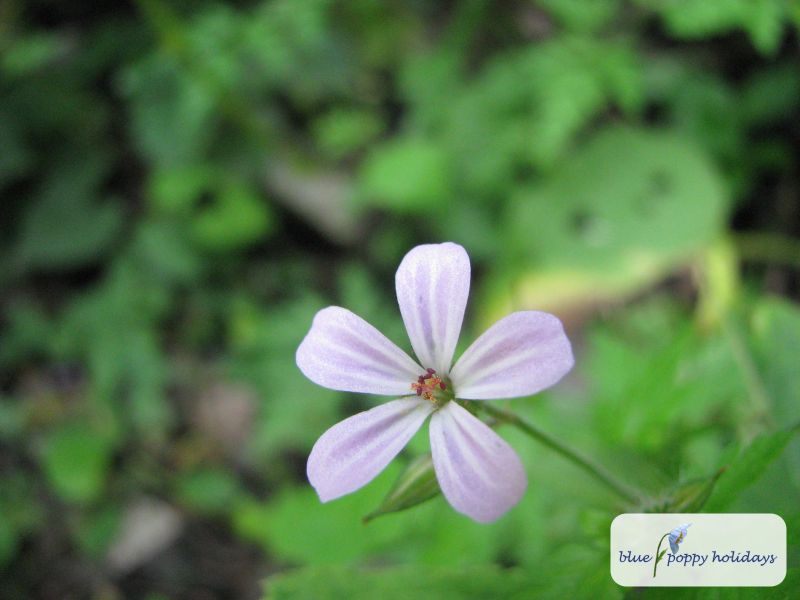
This captivating bloom of Polemonium Caeruleum reflects nature's artistry. Its subtle color palette contrasts elegantly with surrounding… 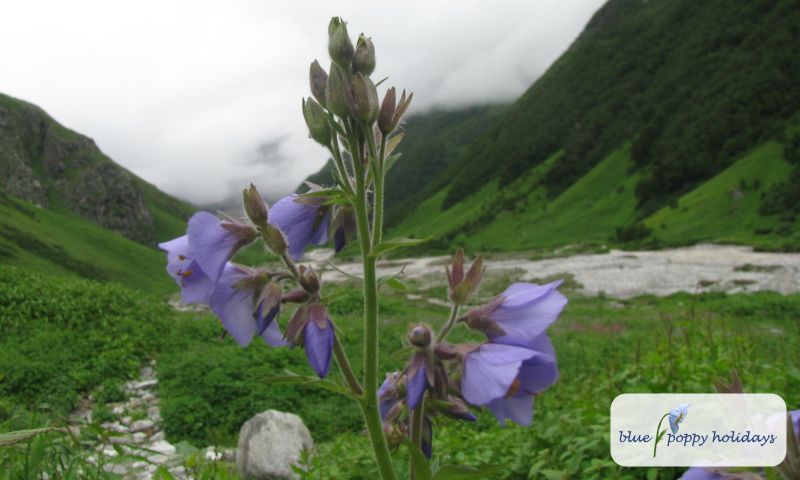
Nestled in misty meadows, Polemonium Caeruleum emits a gentle fragrance that draws in butterflies and bees. Its presence indicates healthy… 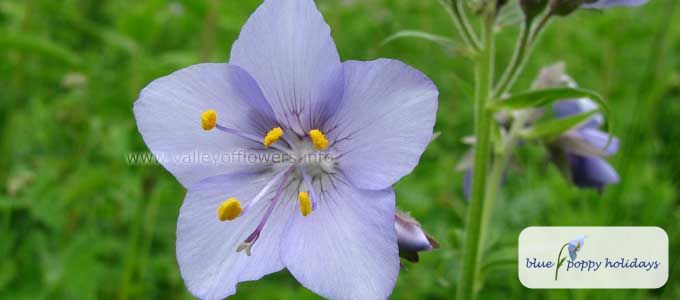
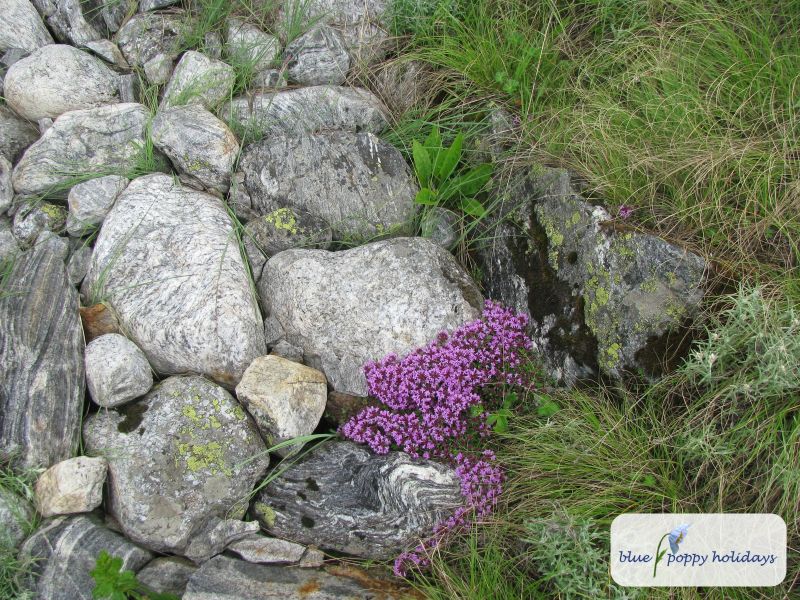
Photographed during early bloom, this specimen of Polemonium Caeruleum showcases the freshness of Himalayan flora. It symbolizes both…