Wildflower of the valley
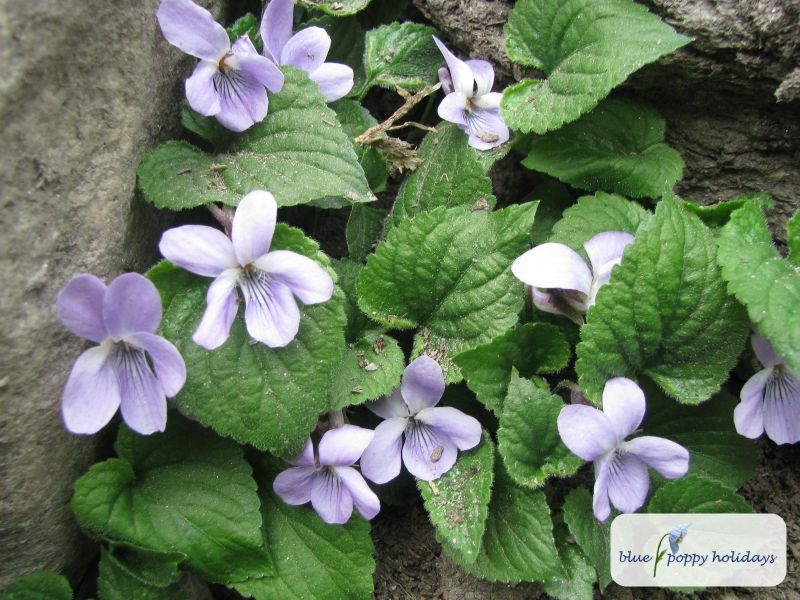
Hairy Violet
Viola pilosa
- How easy to find
- Rare — you will see it only in some places
- Flower size
- Small
- Family
- Violaceae (Violet family)
- Local name
- Thungtu, Banfsha
- Type
- Perennial
- Height
- small
- Flower colour
- blue
- Flowering
- May to July
About Hairy Violet
Viola pilosa is a perennial stoloniferous herb. Leaves are deltoid in shape. Flowers are solitary, pale violet or lilac. The specific name Pilosa means hairy refers to the presence of bearded petals in the species.
Where to find it
- Near the entrance of the valley
Habitat
Grass lands, moist places, bunds in cultivated fields and in alpine meadows.
Uses & folklore
Whole plant is used in treating fevers, flowers are used to treat cough, cold, lung diseases and constipation. Roots are employed in treating fevers. Syrup prepared from flowers is used for treating infantile disorders.
What the name means
Viola is the classical Latin name for the violet; pilosa means "hairy".
Don't confuse it with
Viola biflora (sno 126) is smaller, yellow-flowered, and higher altitude; V. pilosa is larger and typically violet.
More photos
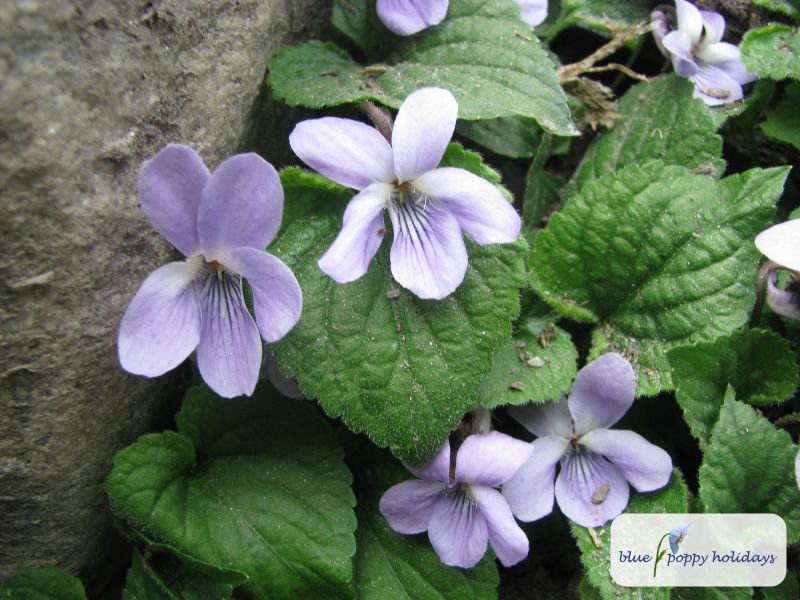
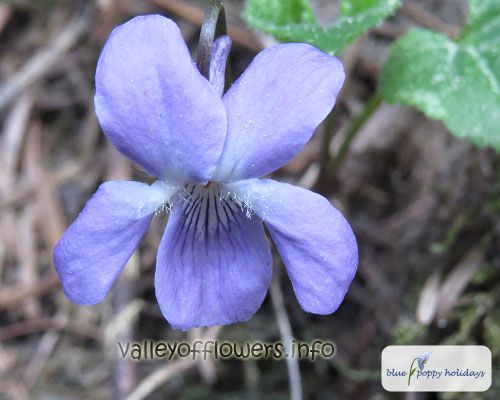
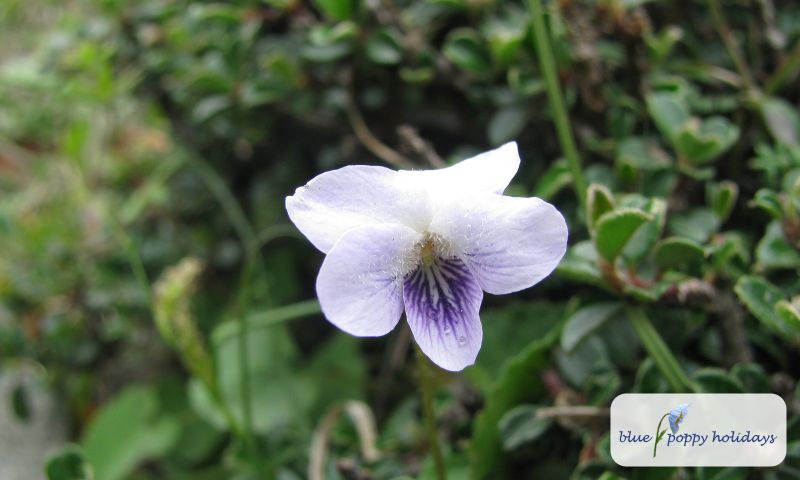
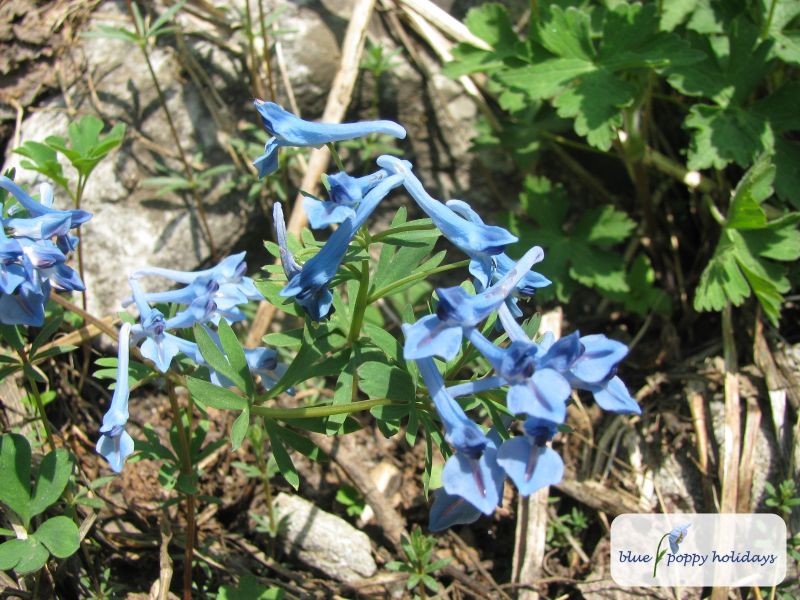
With intricate petals and a captivating aura, Viola Pilosa thrives in untouched wilderness, symbolizing nature's hidden artistry. 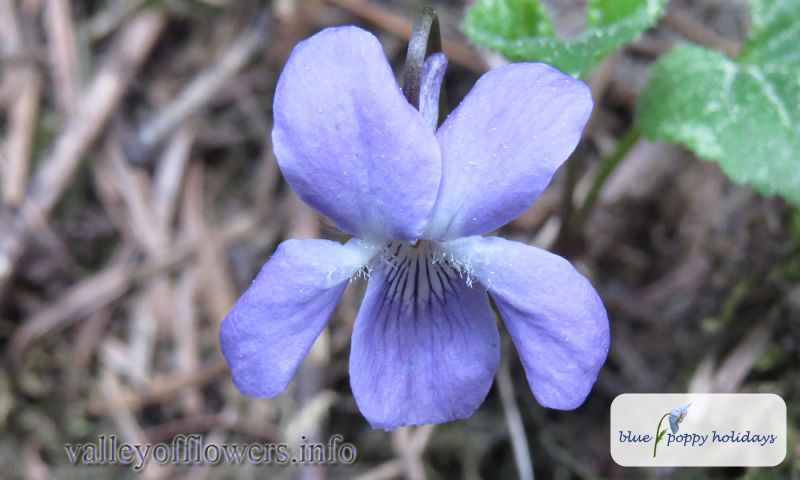
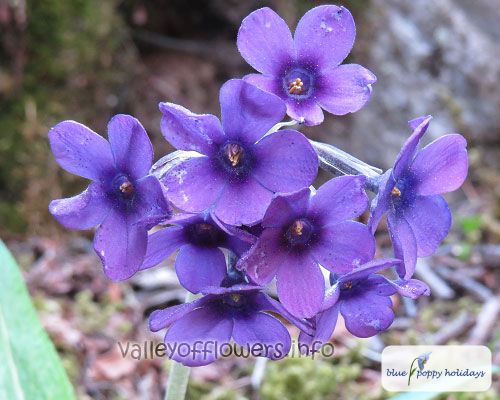
Viola Pilosa is a rare botanical gem flourishing in high-altitude terrains, drawing attention for its exotic shape and ecological charm. 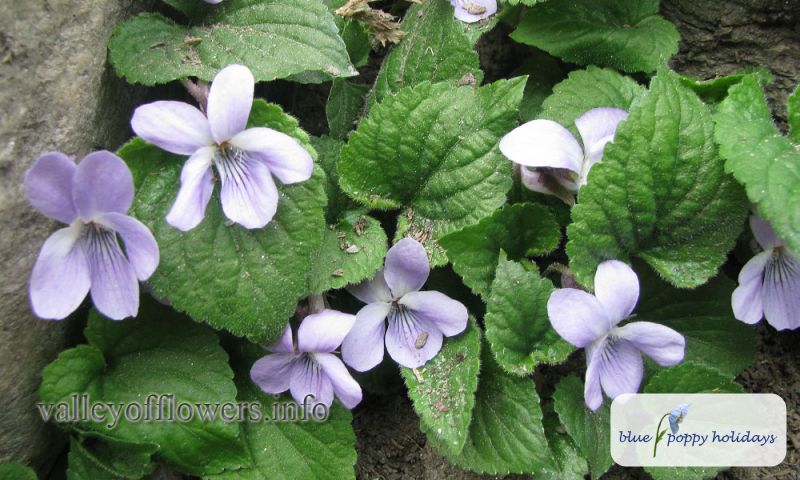
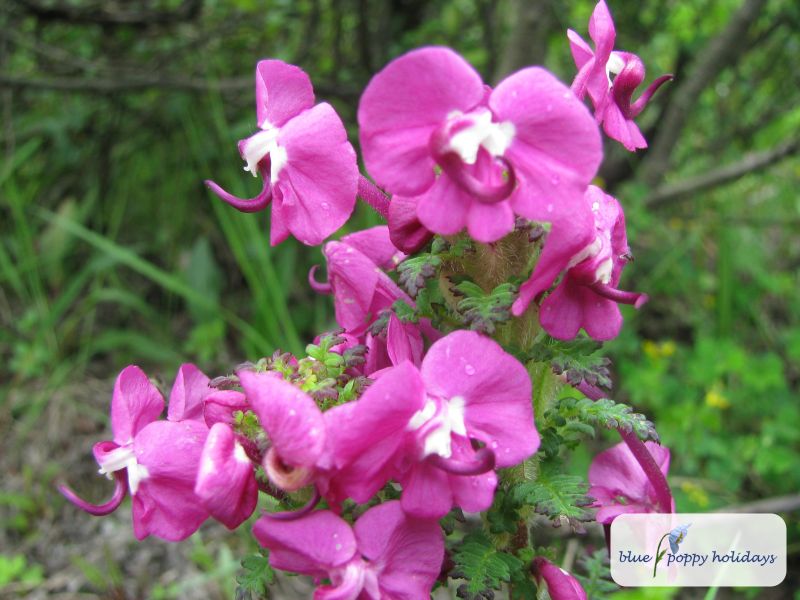
Discover the beauty of Viola Pilosa, a flower admired for its resilience and unique floral patterns in wild alpine meadows. 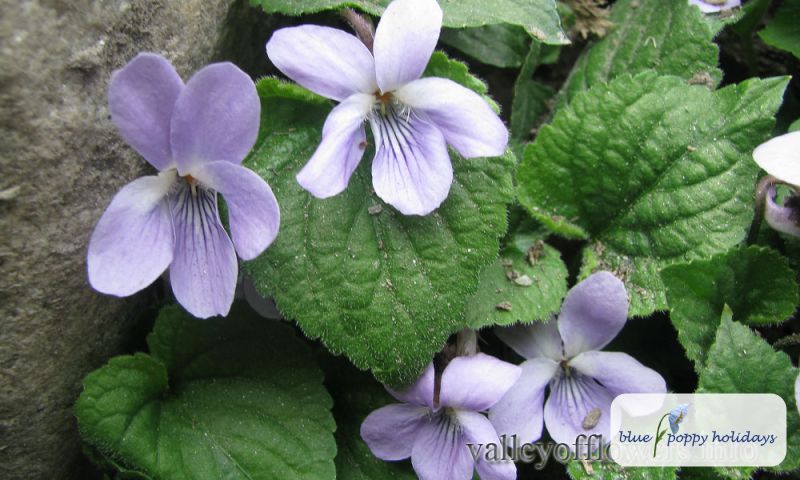
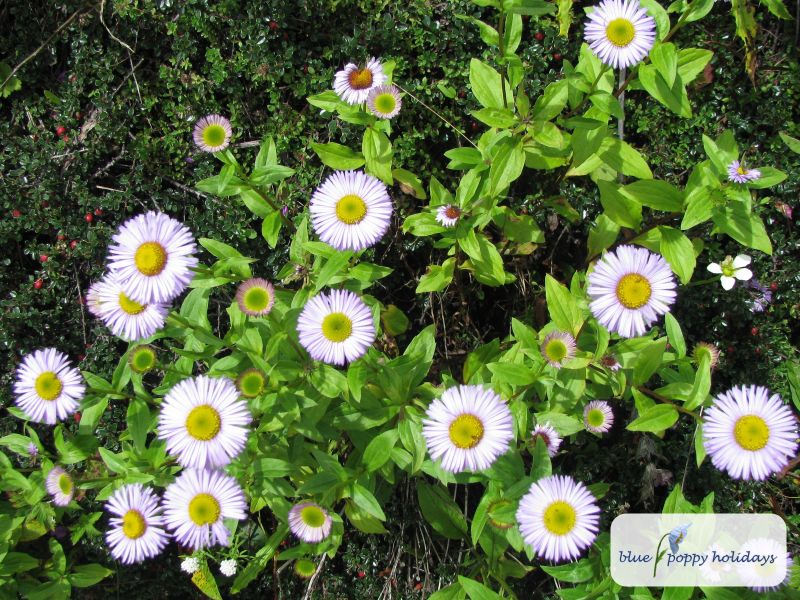
Often seen in serene landscapes, Viola Pilosa enchants with its delicate form and vibrant hues, beloved by nature enthusiasts and botanists. 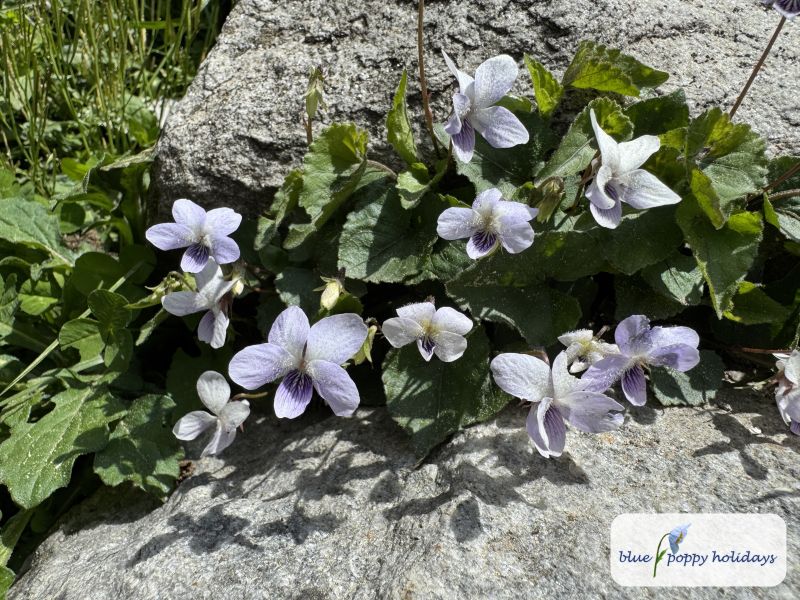
Photographed near Ghangaria in May 2025, before the valley opens on 1 June. 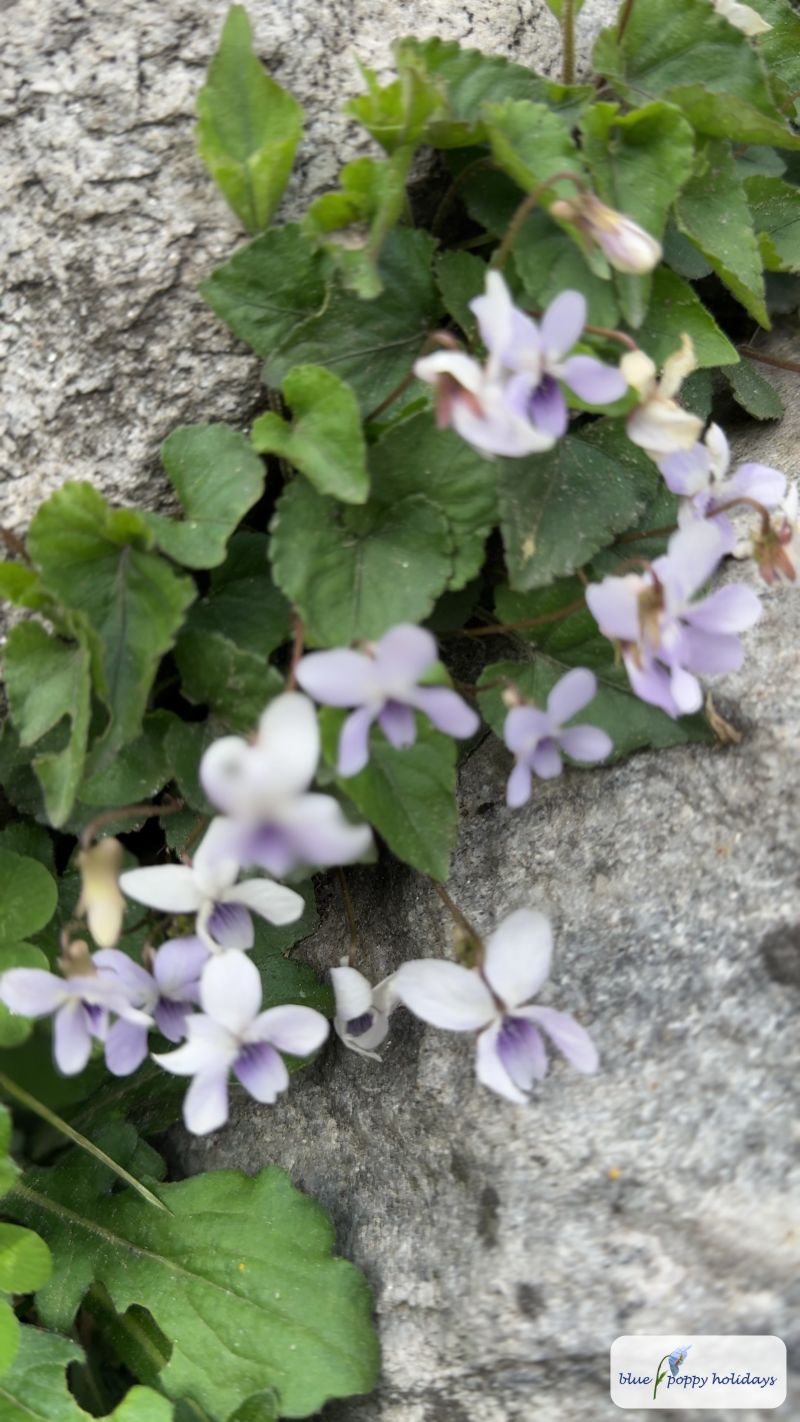
Photographed near Ghangaria in May 2025, before the valley opens on 1 June.